Chhatar Manzil

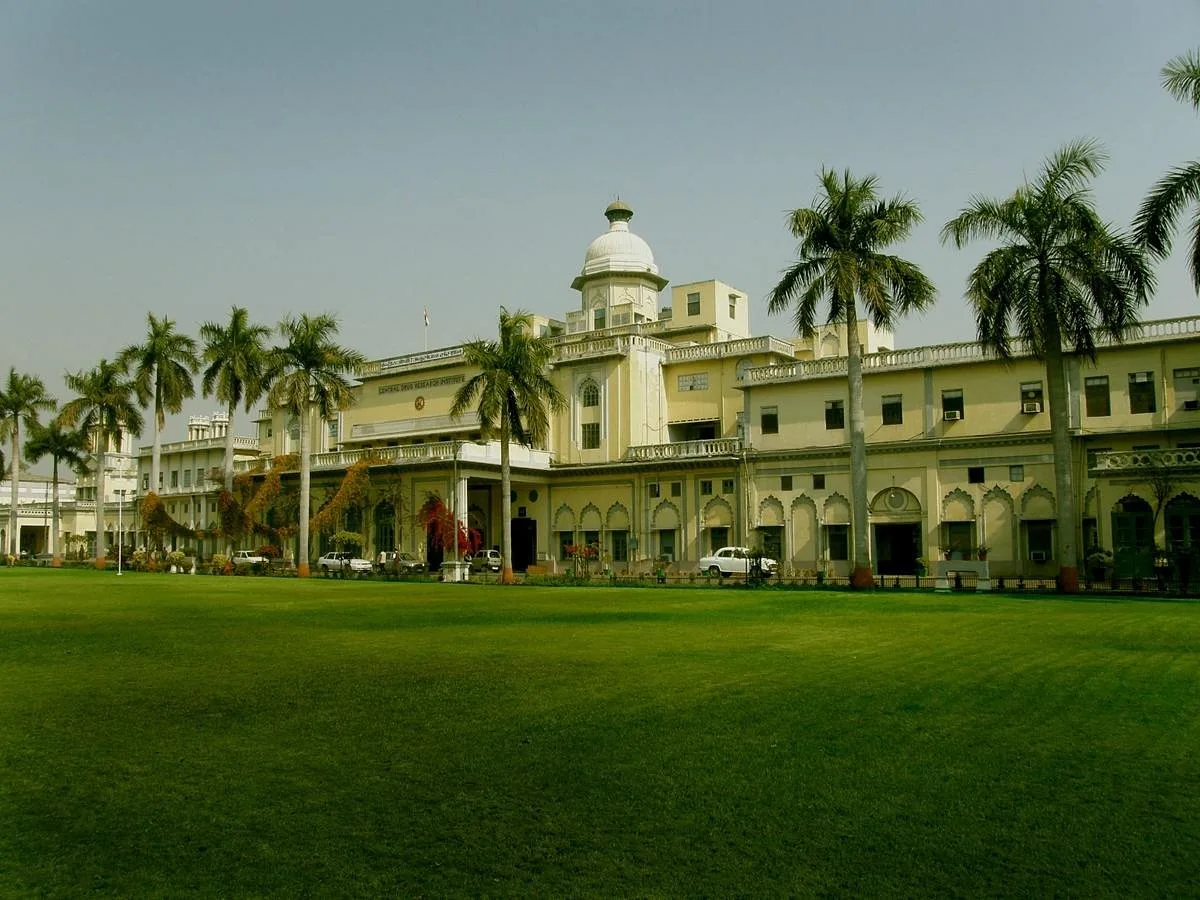
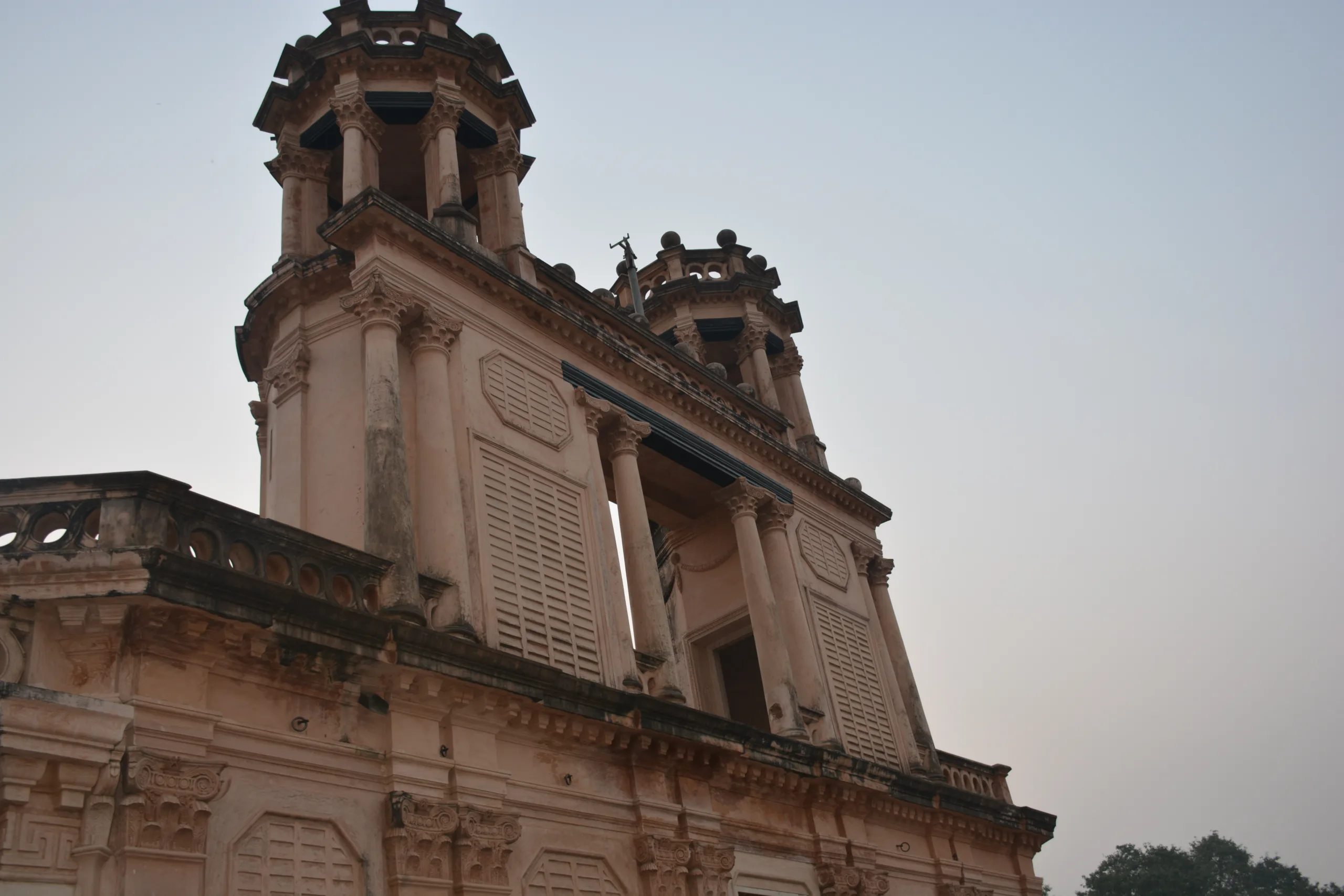
Chhatar Manzil is one of Lucknow’s most emblematic riverfront palaces, closely associated with the cultural and political life of the Awadh court. Overlooking the Gomti, the complex reflects the architectural ambition of the late Nawabi period where Indo-European stylistic influences were interpreted through local materials, craftsmanship, and spatial sensibilities.
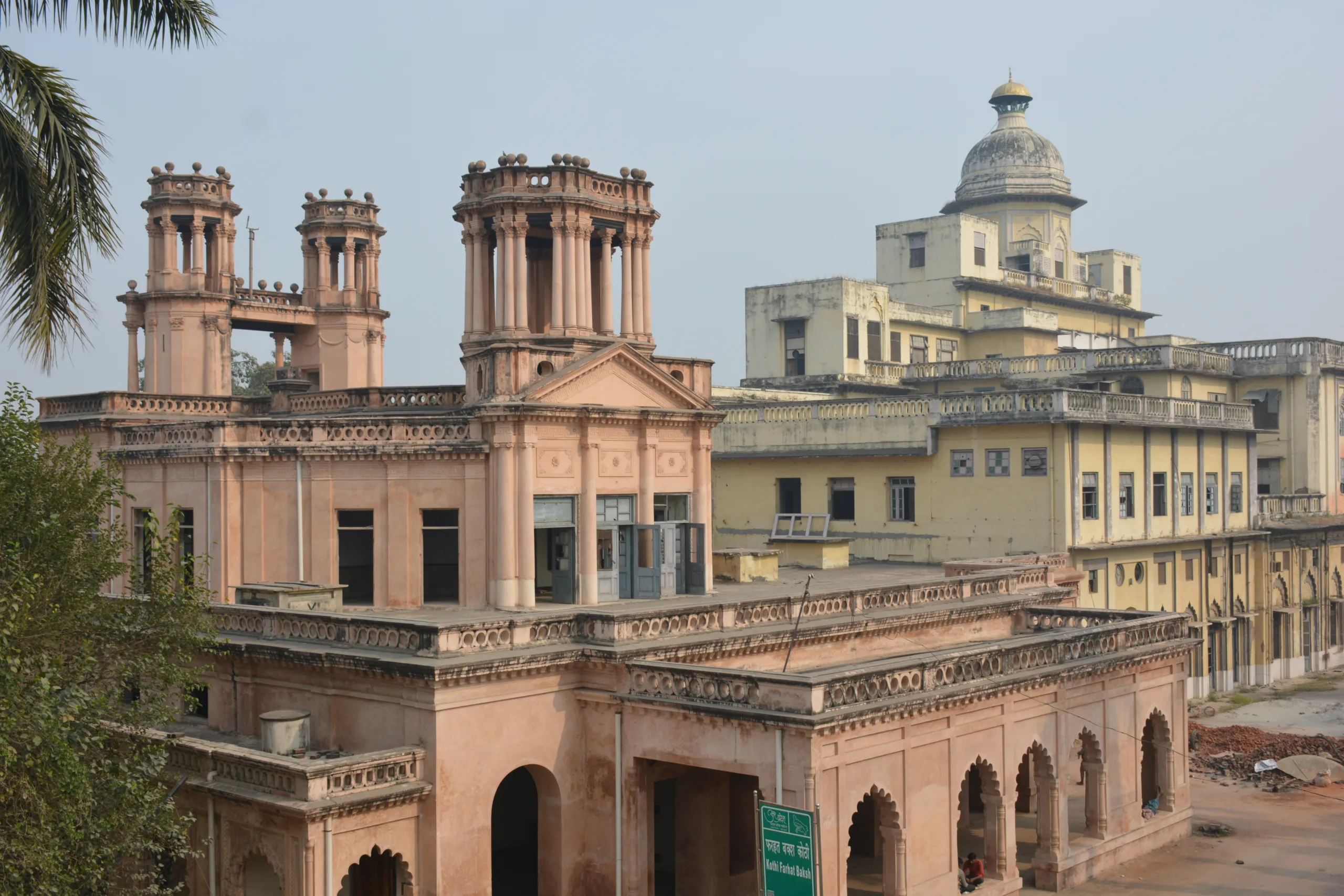
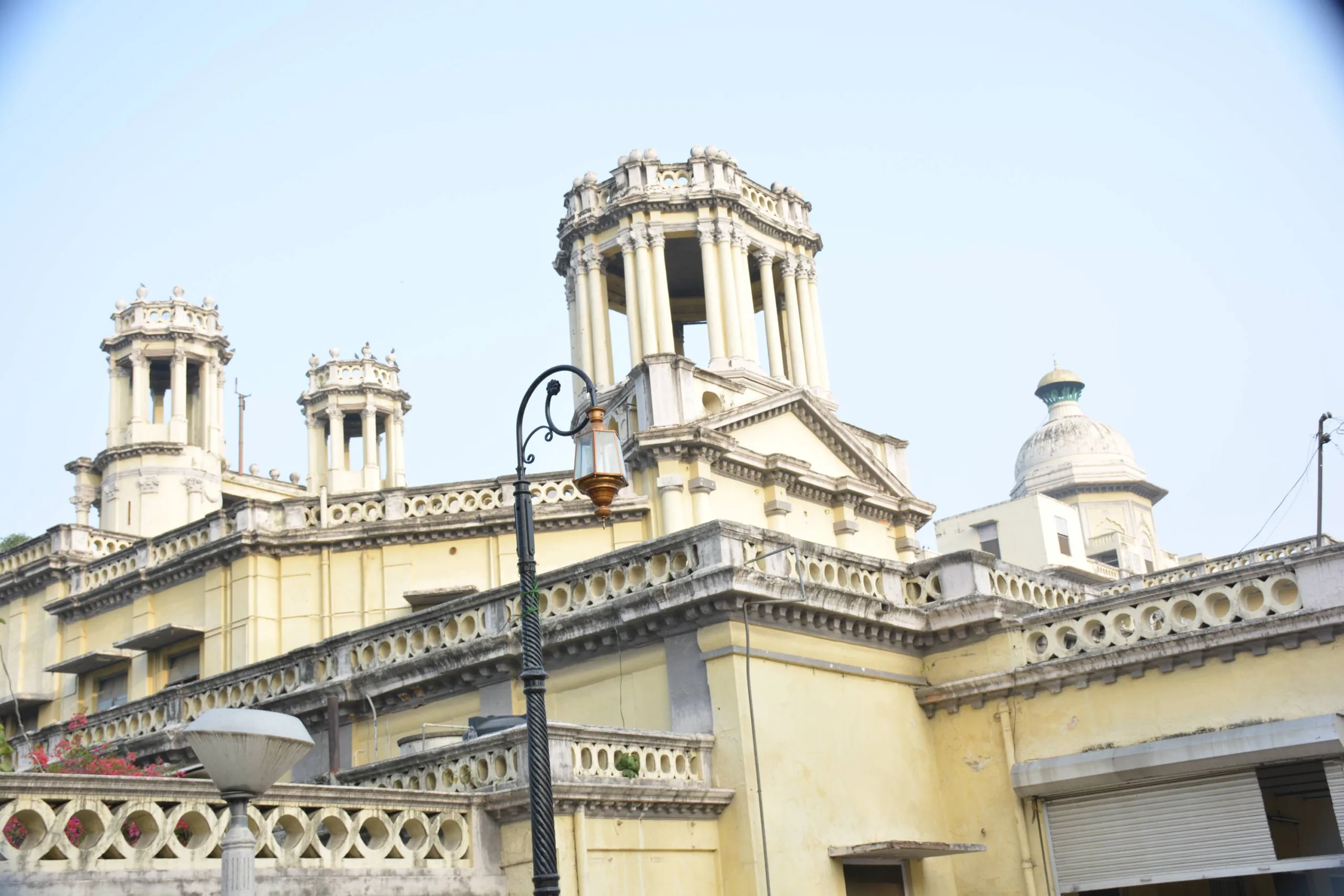
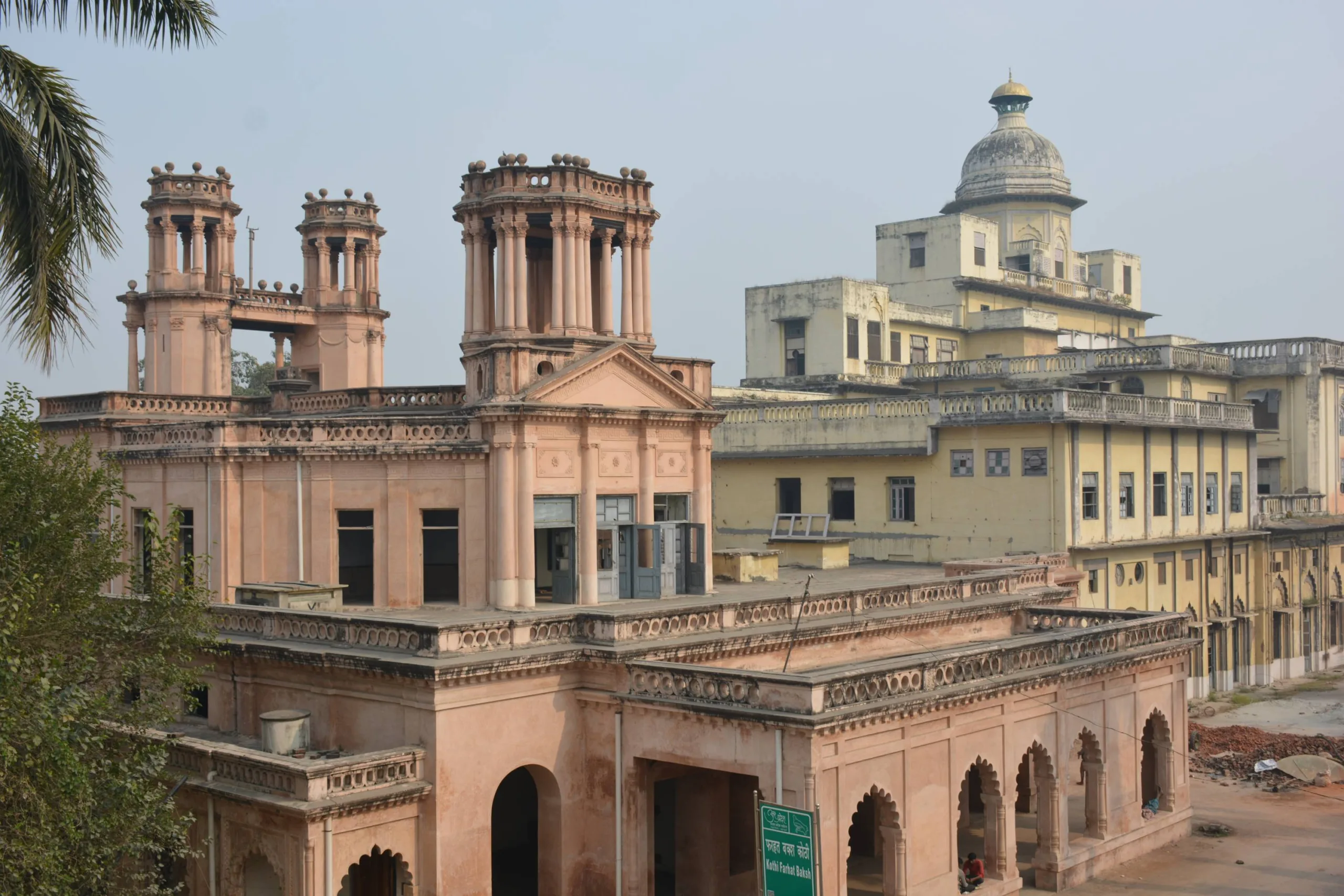
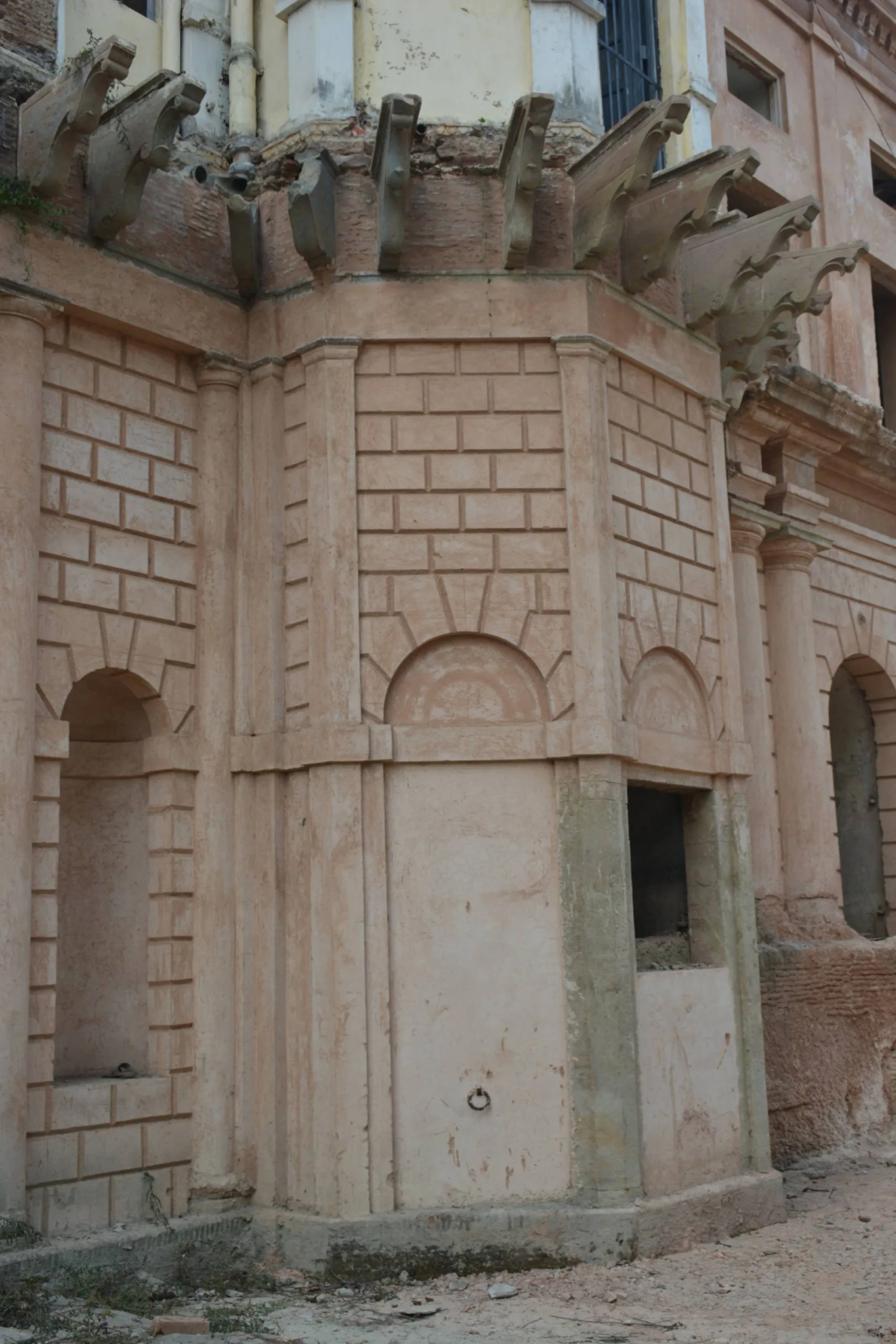
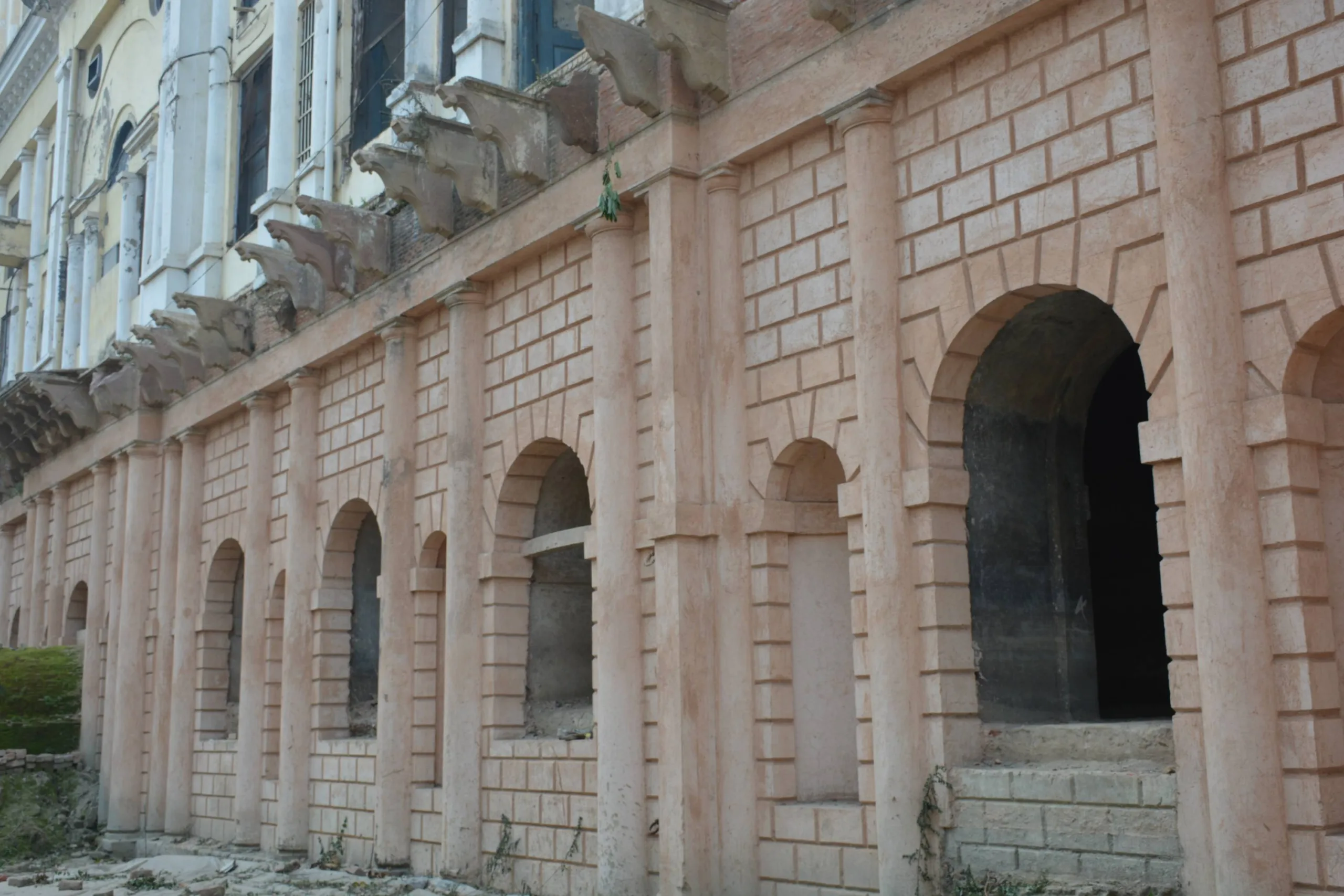
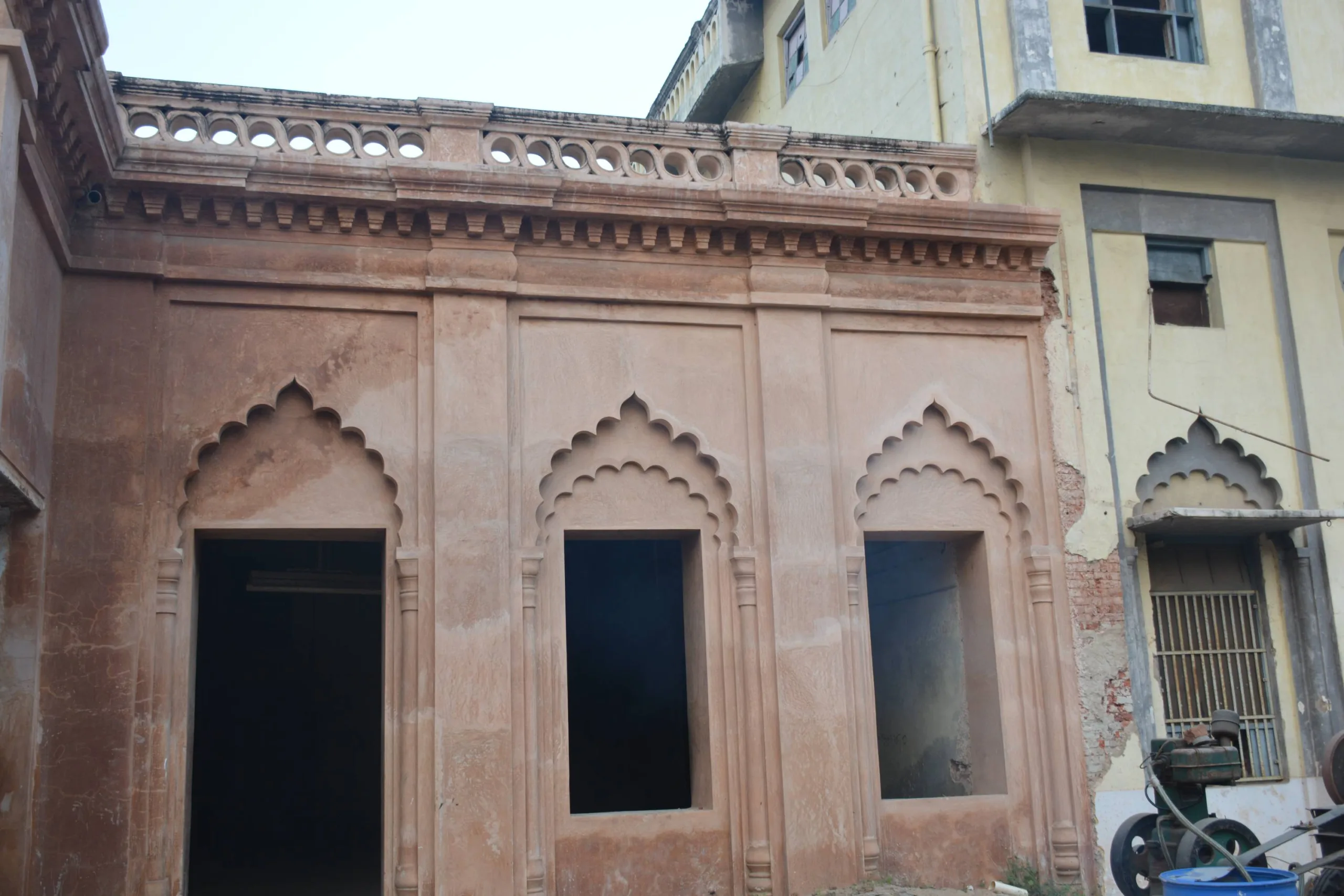
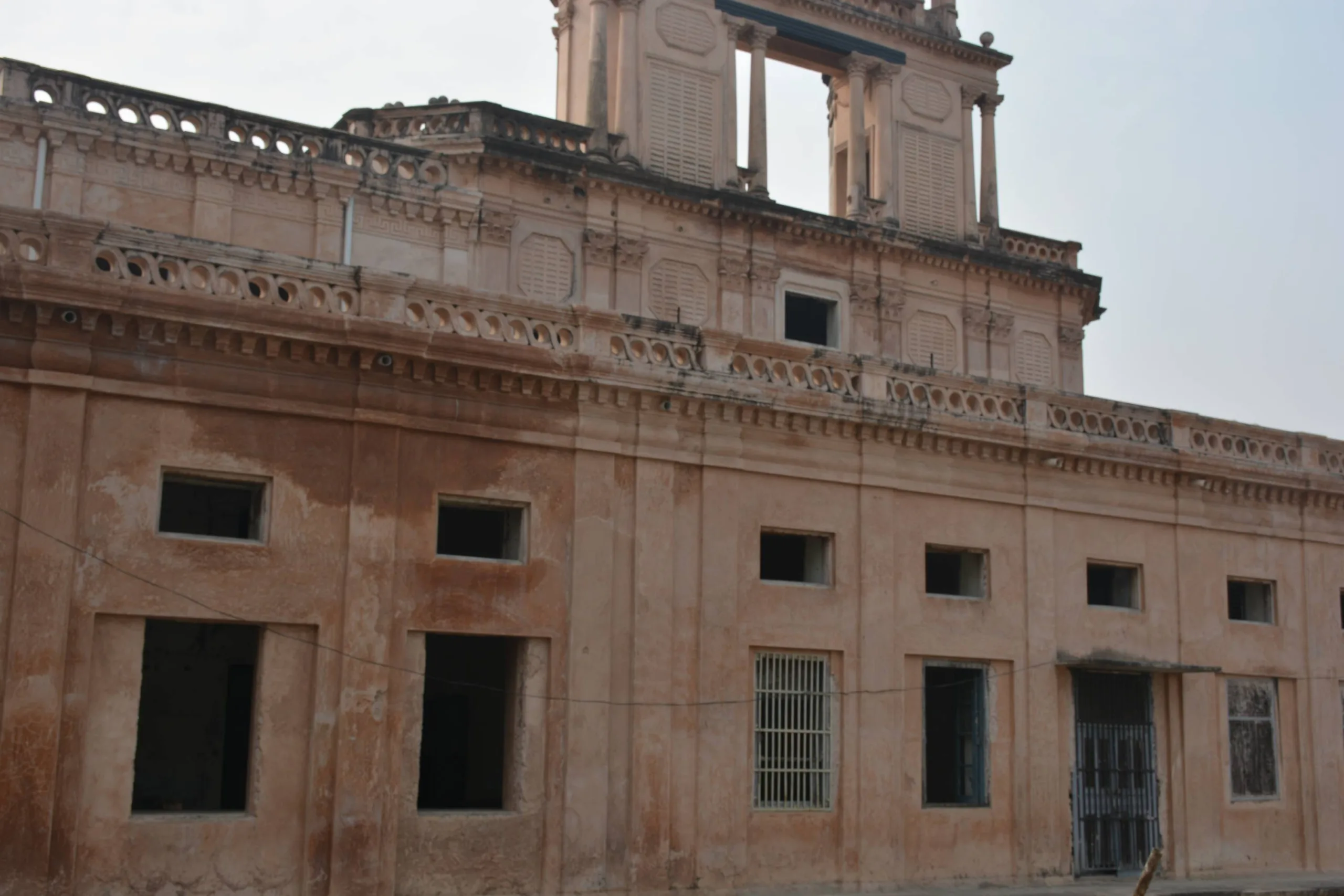
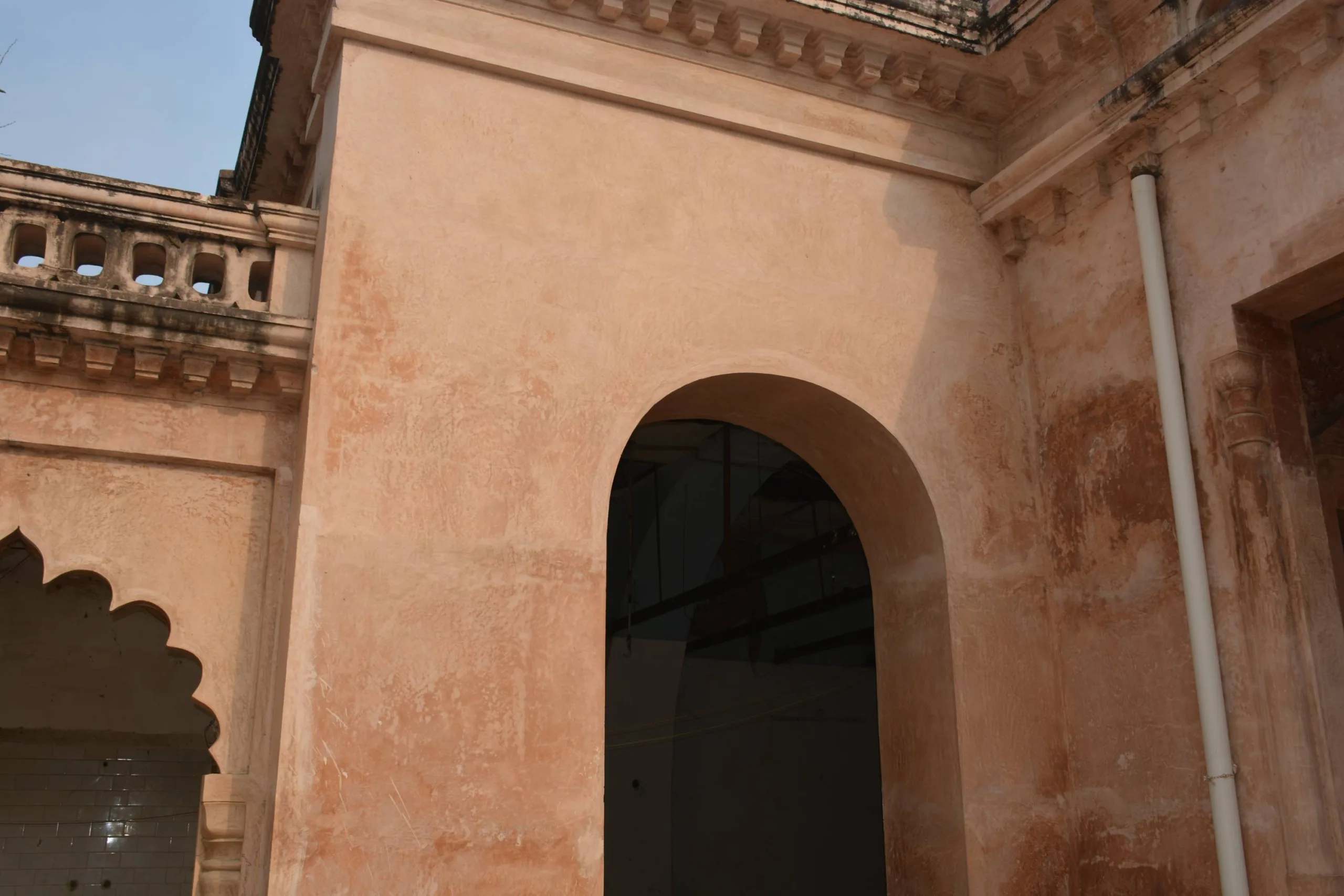
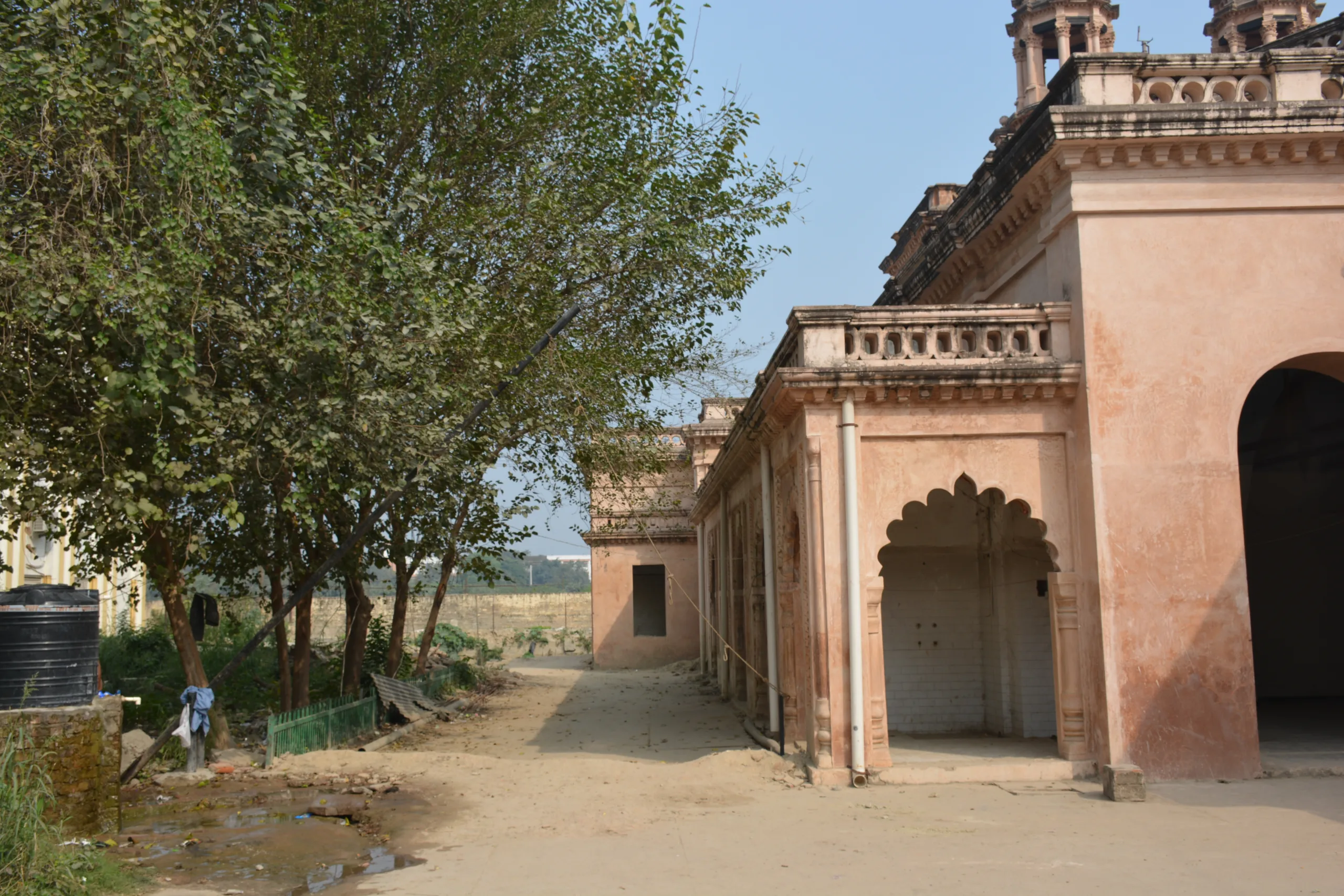
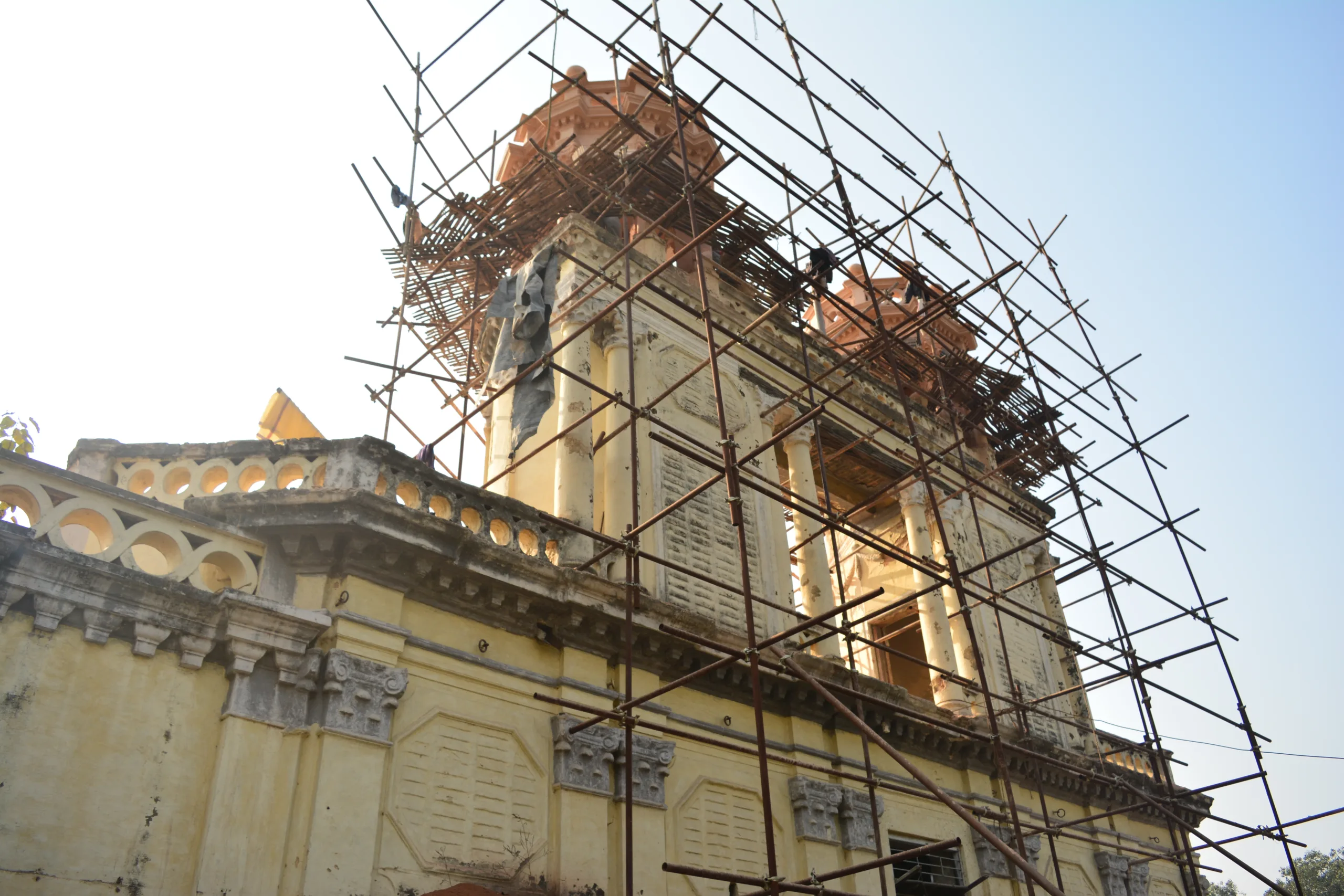
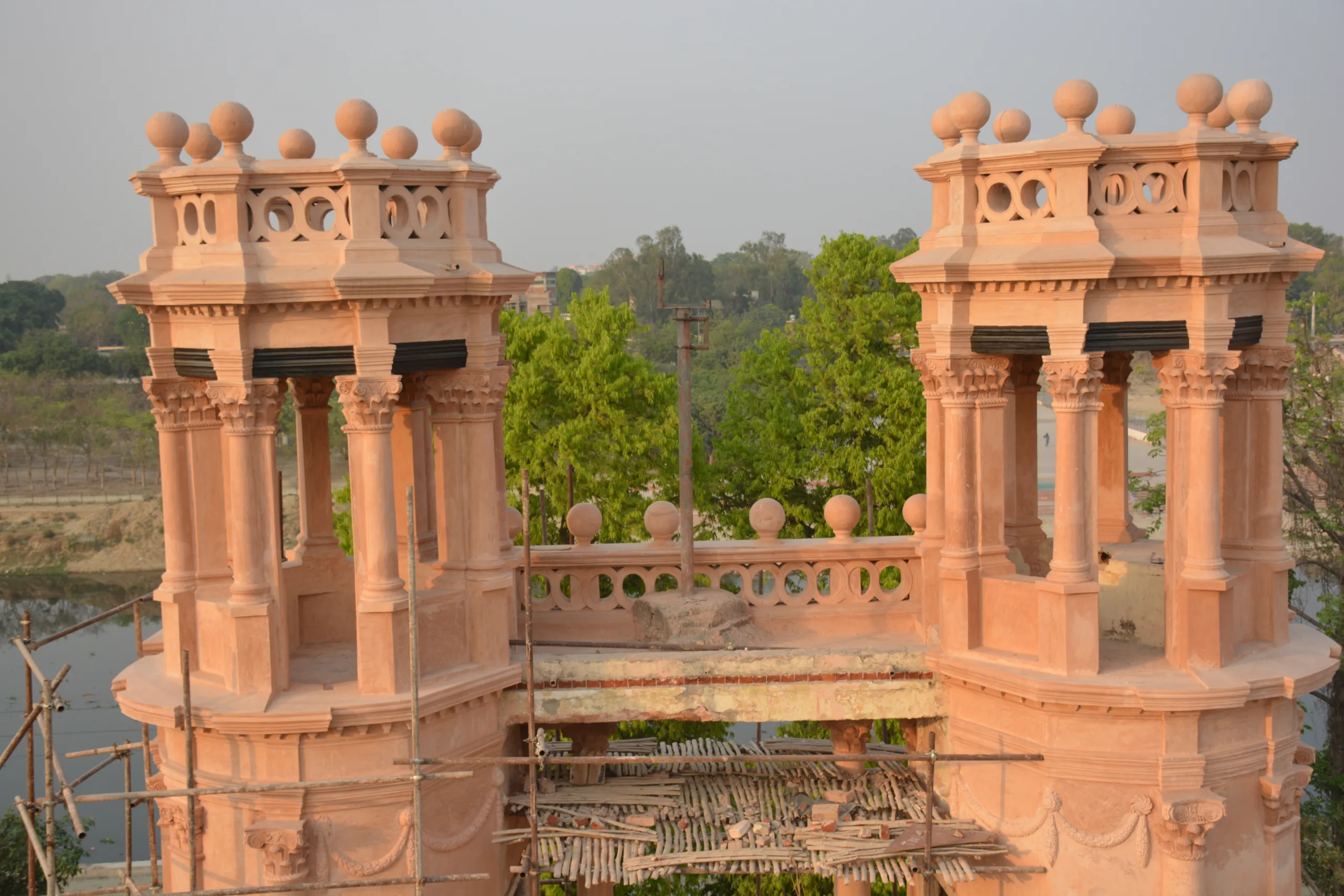
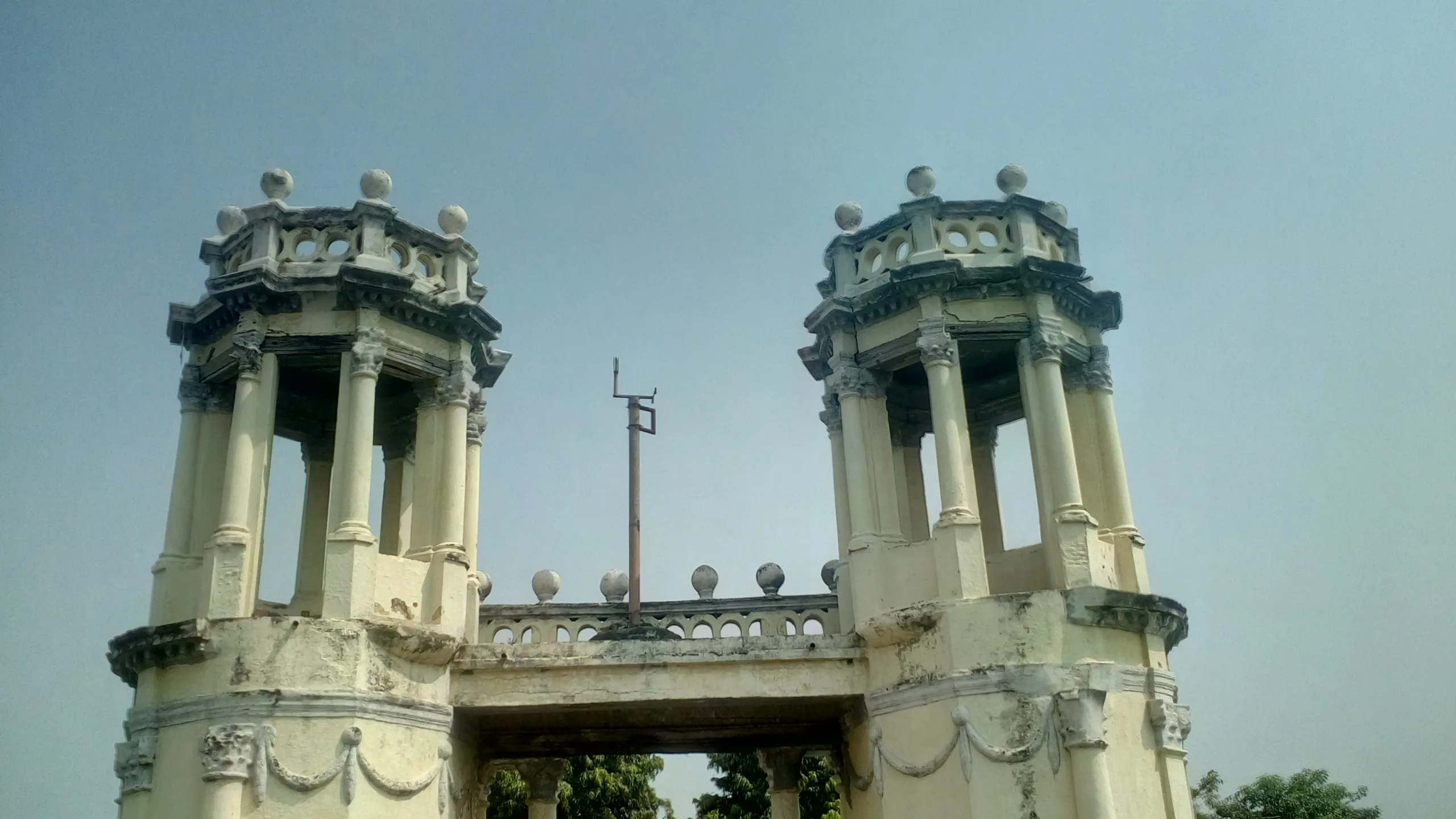
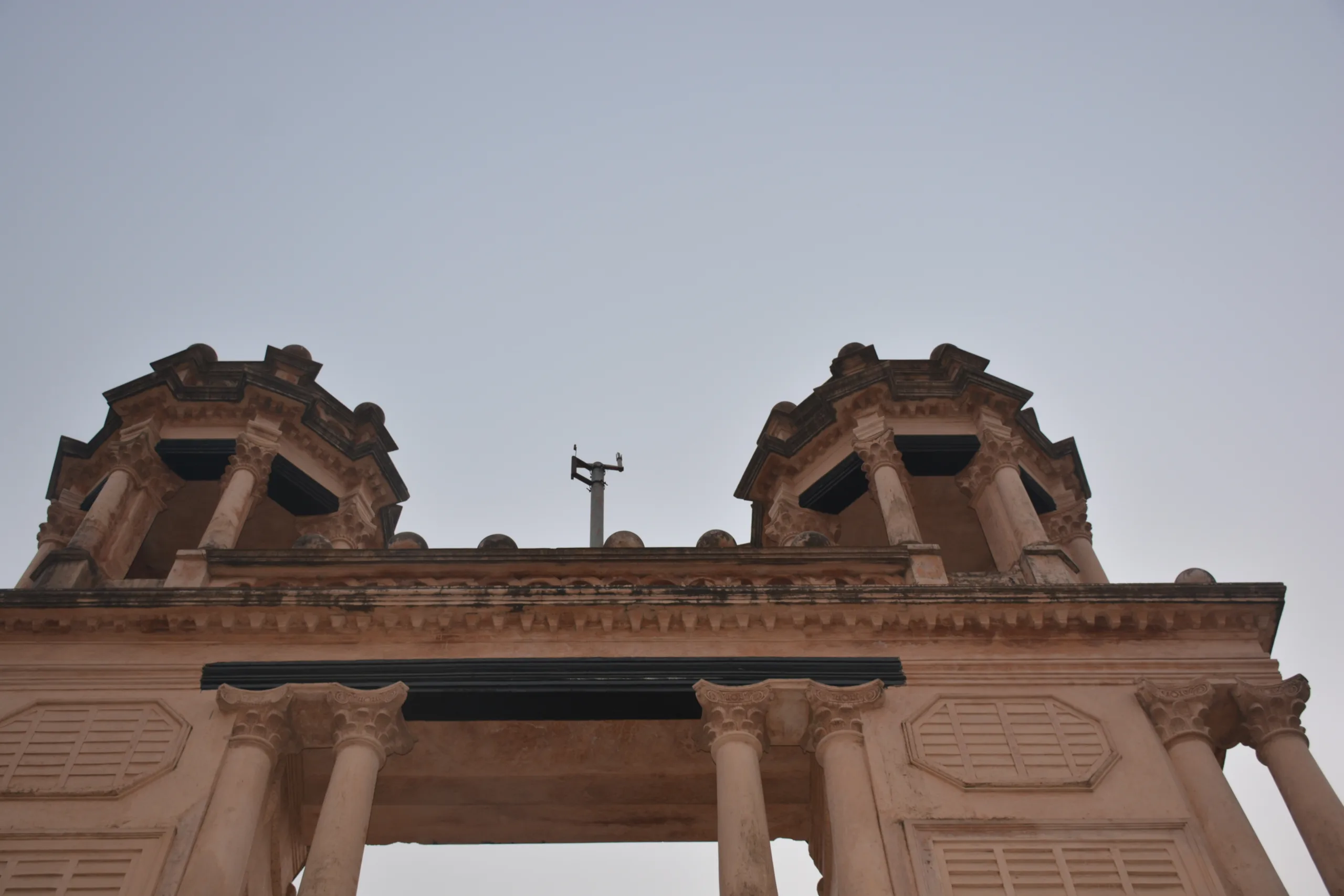
The defining feature of Chhatar Manzil lies in its layered composition: formal river-facing elevations, controlled symmetry, and distinctive roof forms that lend the complex its name. Rather than relying on excessive ornamentation, the architecture derives its presence from proportion, scale, and its relationship with the riverfront setting.
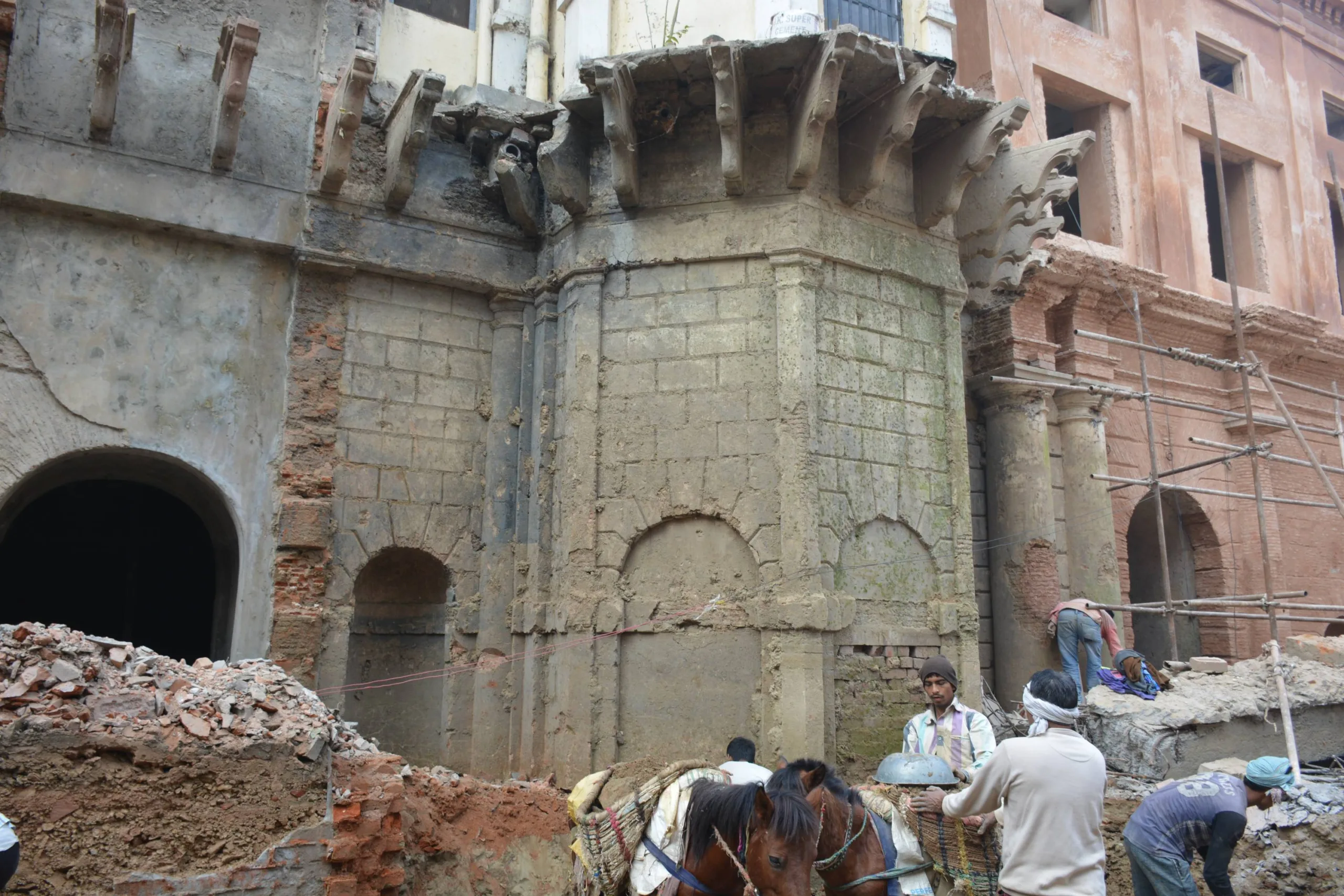
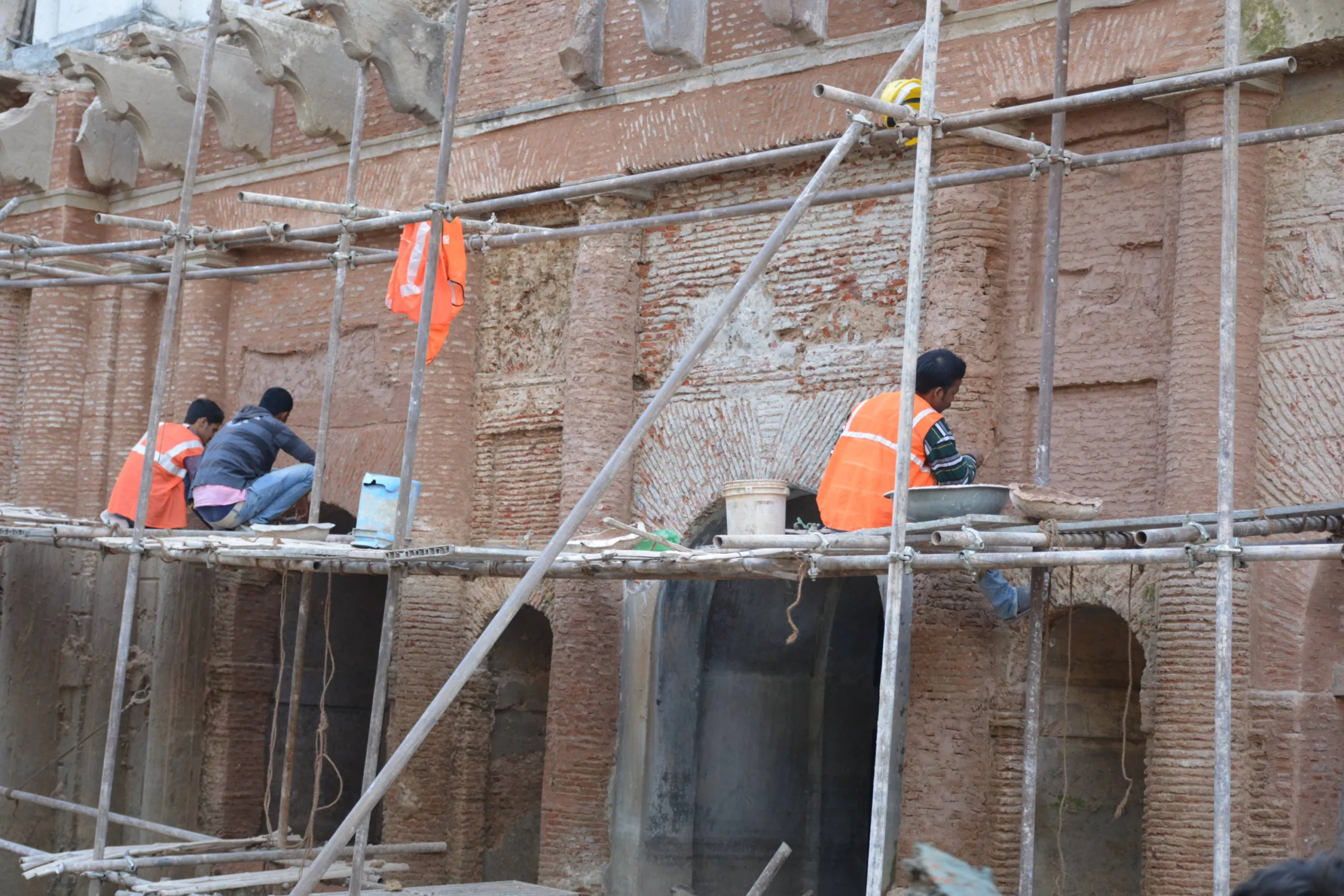
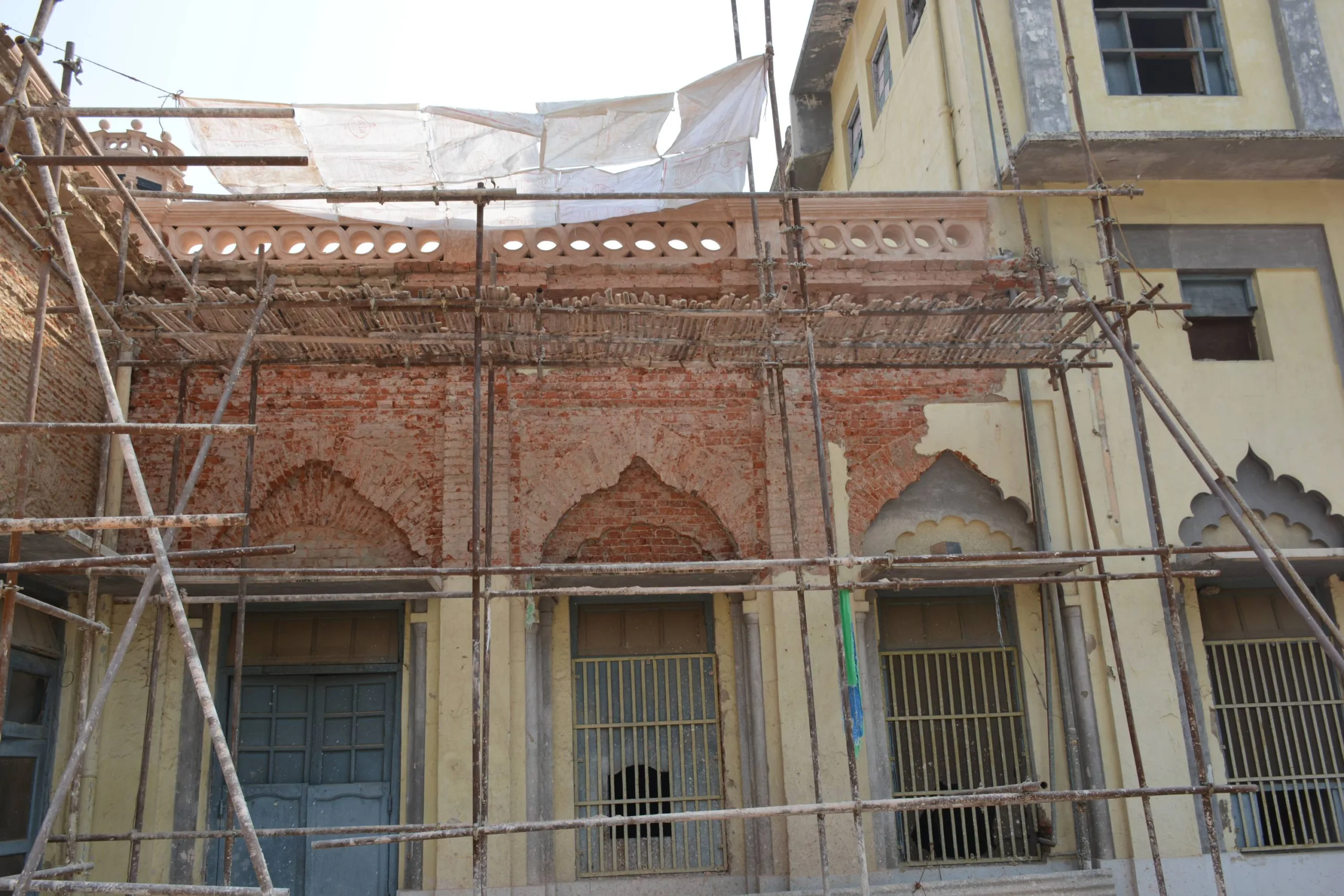
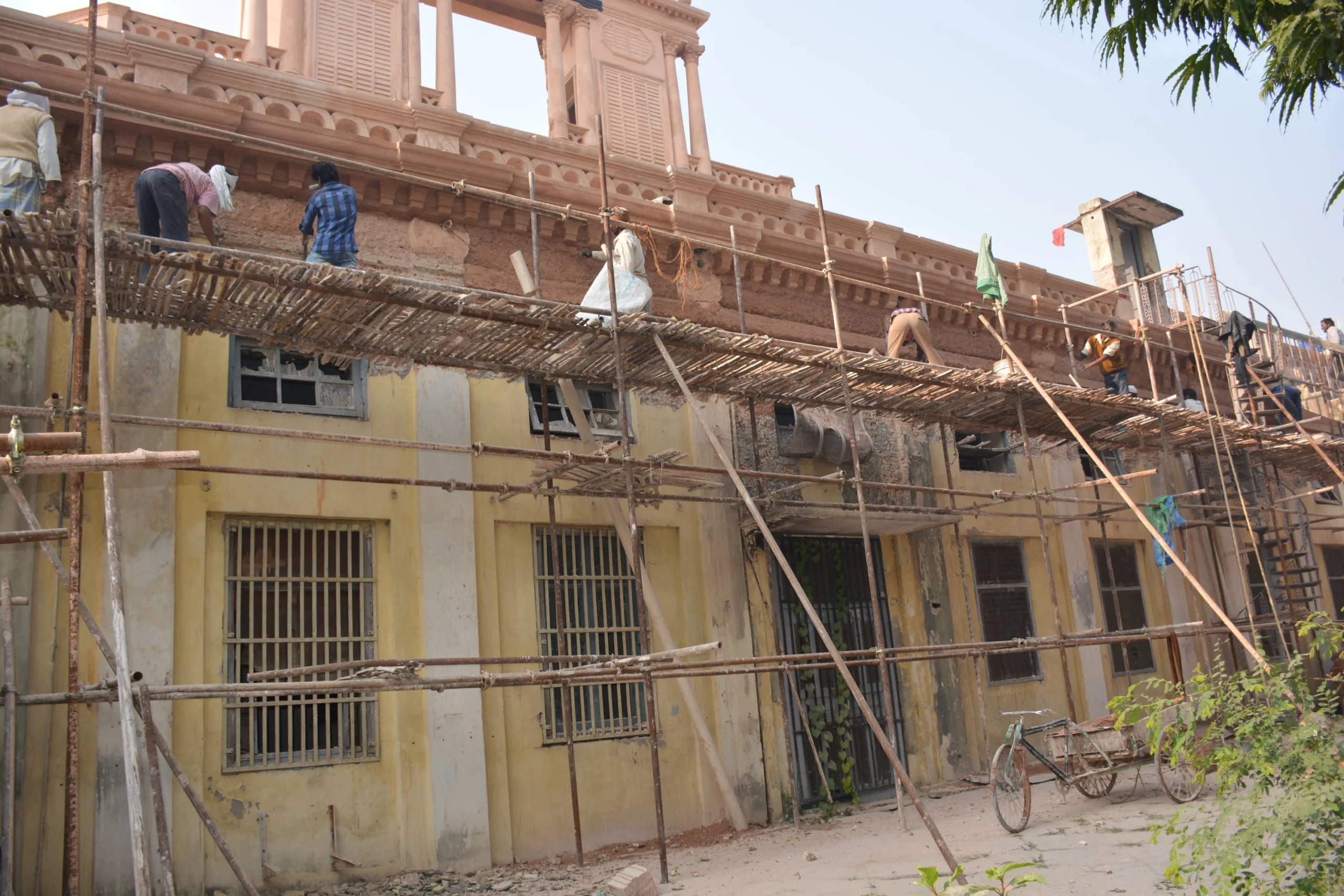
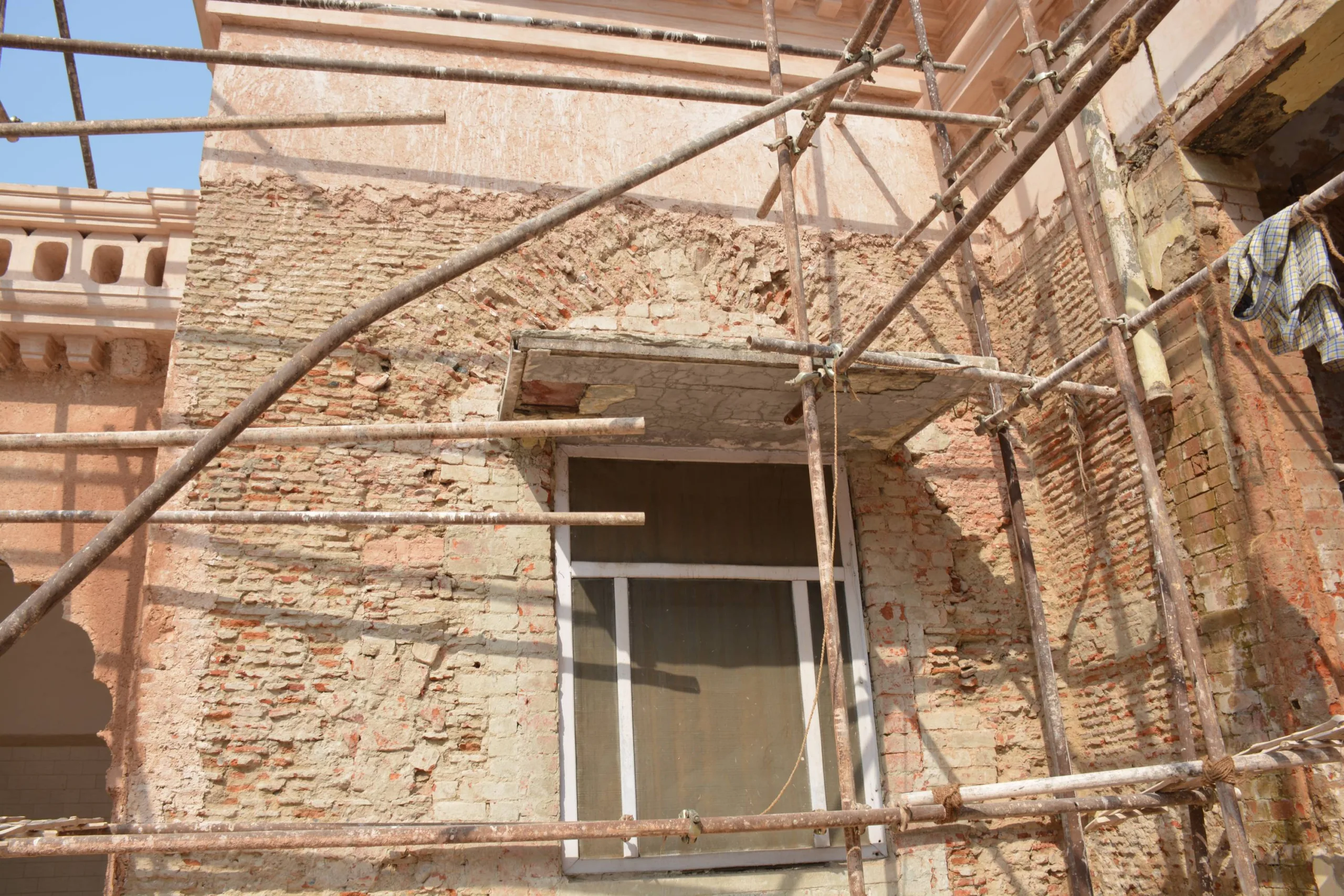
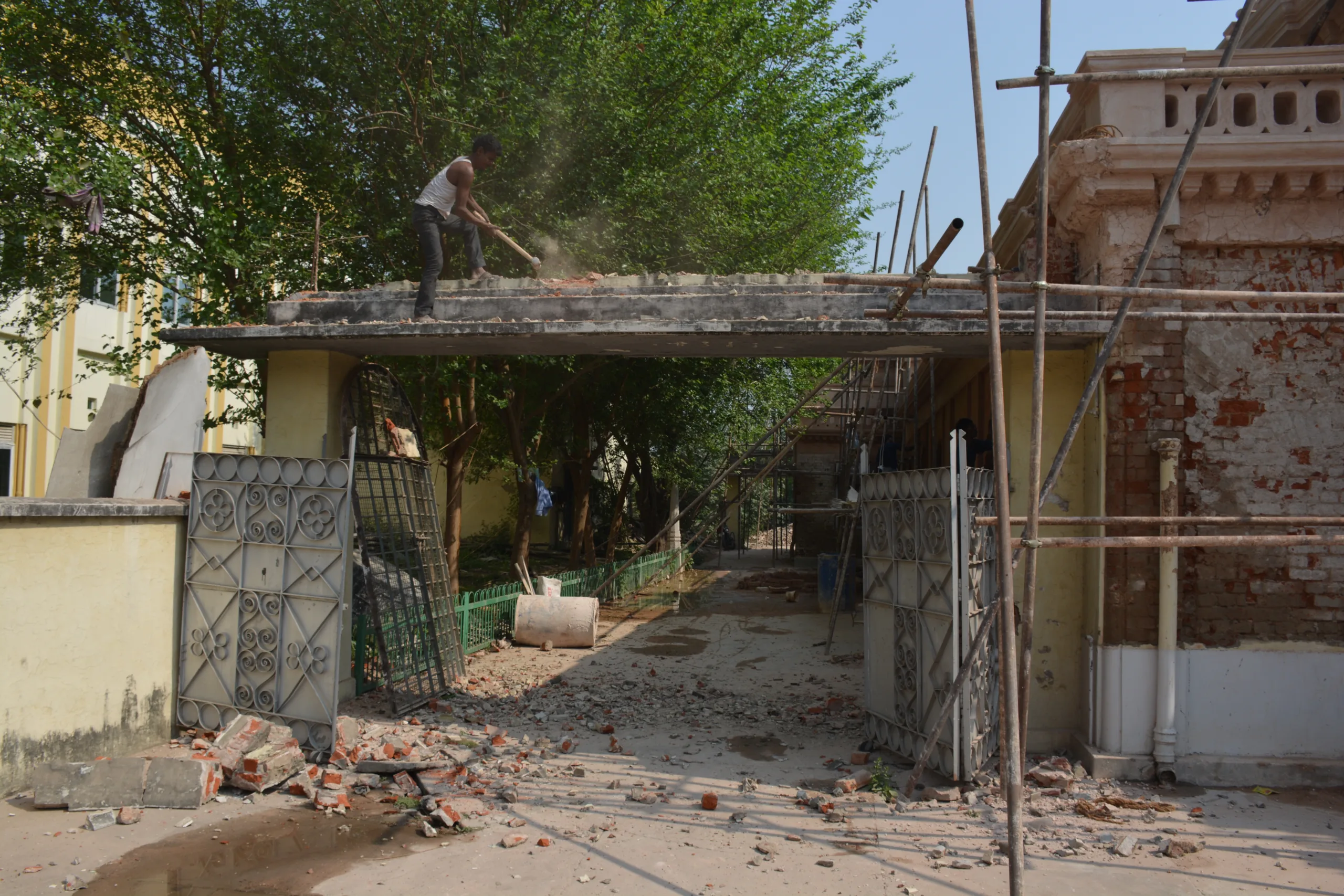
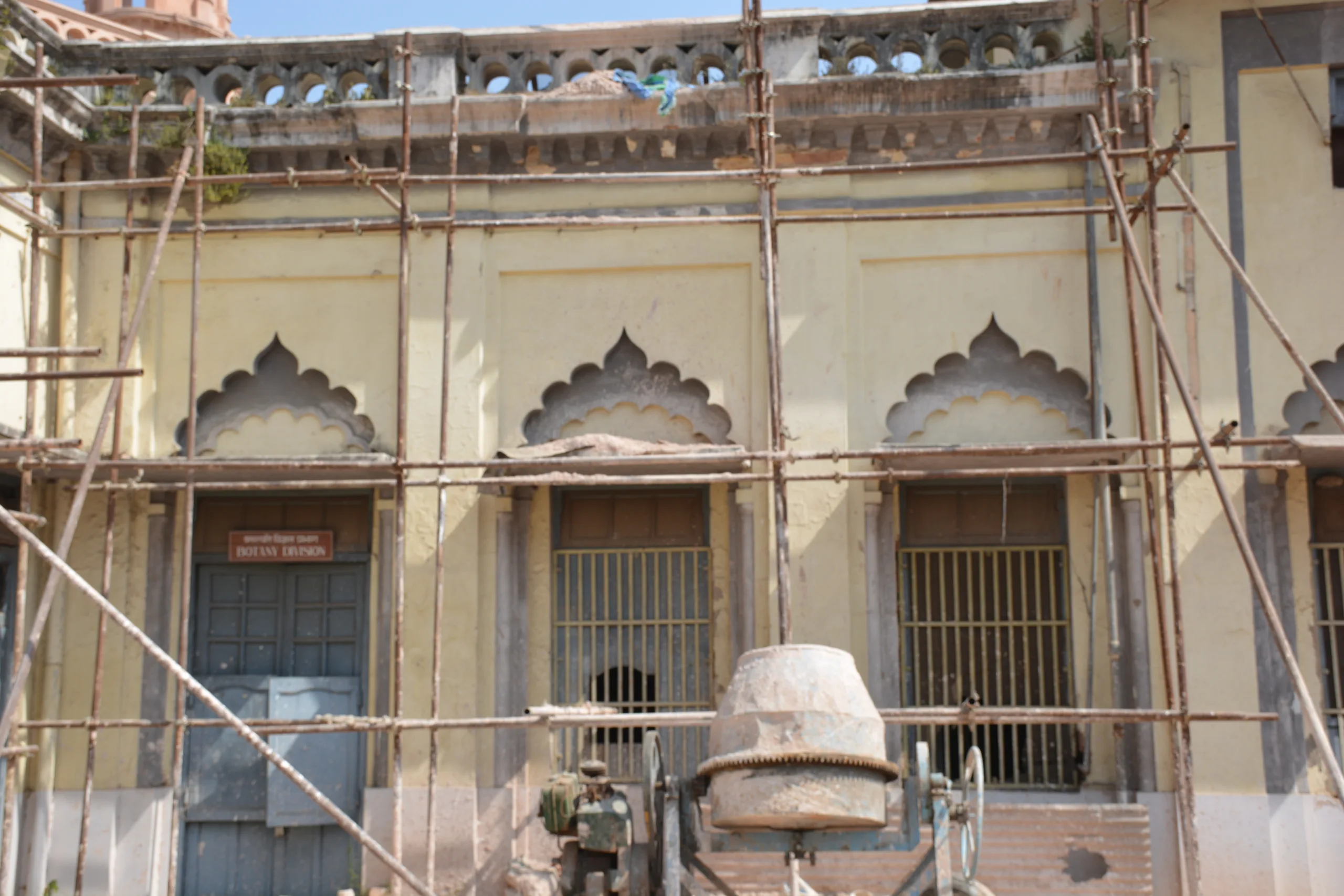
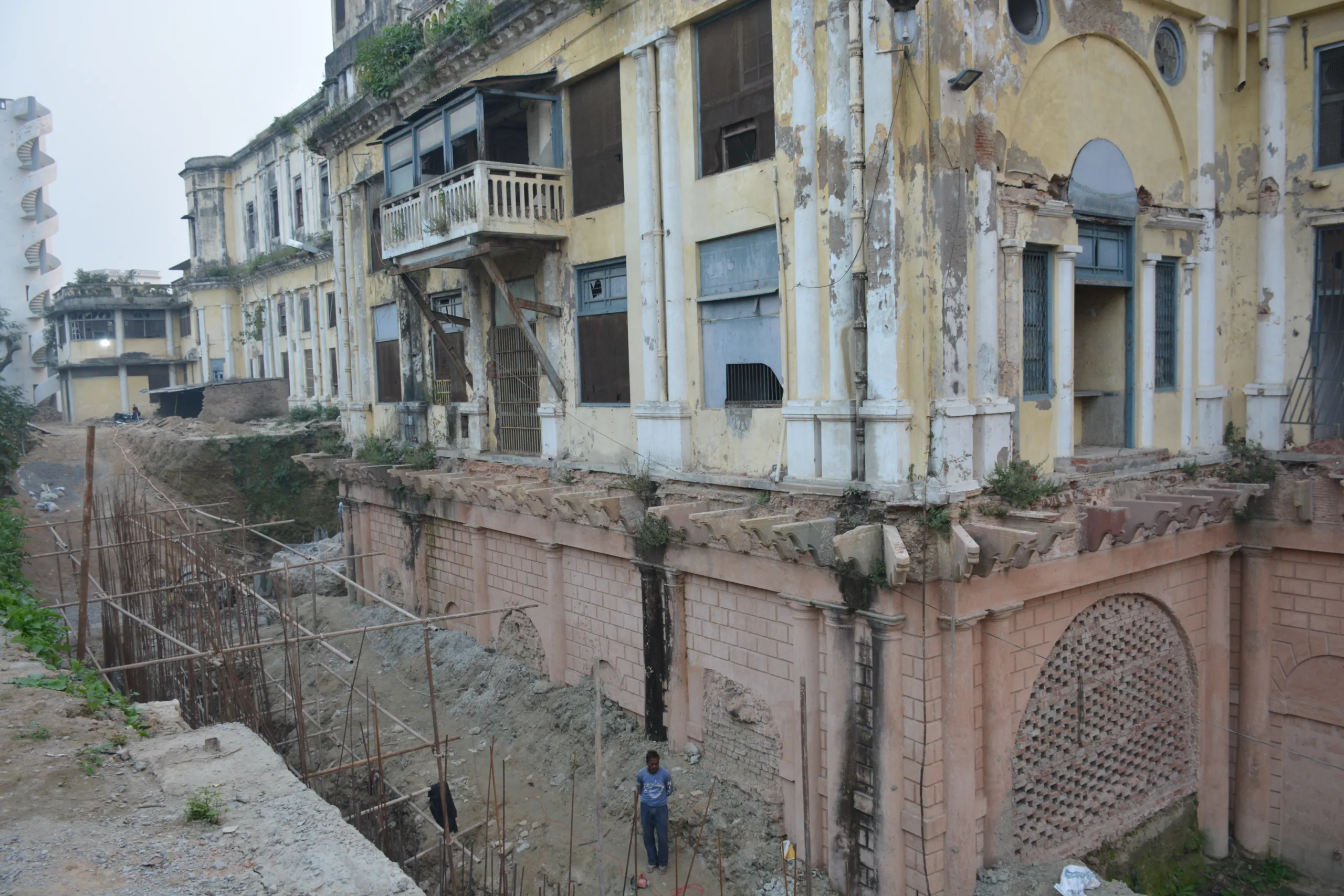
By the time restoration was undertaken, prolonged exposure, material fatigue, and incompatible past repairs had diminished the clarity of the original architectural intent. The objective of the project was not cosmetic renewal, but the careful recovery of structural stability and architectural legibility. Emphasis was placed on conserving original fabric, respecting historical construction methods, and reinstating lost coherence through restrained and well-considered interventions.
The restoration of Chhatar Manzil seeks to allow the complex to continue its role as a cultural and architectural landmark retaining its historic gravitas while ensuring its endurance within Lucknow’s evolving urban landscape.
During restoration work at Chattar Manzil, an unexpected and significant discovery emerged beneath the palace precincts: the remains of a wooden boat embedded within the soil strata of the site. The find added an entirely new dimension to the understanding of the complex—not merely as a river-facing palace, but as a site directly engaged with the Gomti and its historic waterways.
Chattar Manzil’s relationship with the river has always been architectural and symbolic. Positioned along the Gomti, the palace complex was conceived as part of a larger riverine landscape—where access, movement, and ceremony were often water-oriented. The discovery of the boat reinforces this relationship, offering material evidence of how the river was once integrated into courtly life.
Preliminary examination revealed that the boat was deliberately placed rather than casually abandoned. Its orientation, depth, and construction suggest it may have served a functional or ceremonial role—possibly linked to royal transport, river-based processions, or service access associated with the palace. The find aligns with historical accounts describing Nawabi-era use of boats for movement between riverfront structures and pleasure gardens.
Importantly, the boat was uncovered in situ, preserved by layers of sediment over time. This necessitated a cautious approach: excavation proceeded alongside documentation, measurement, and consultation, ensuring that restoration activity did not compromise archaeological value. The discovery has since been referenced in academic and heritage research discussions, contributing to a broader understanding of Lucknow’s riverine urban history.
From a conservation perspective, the find underscored a key principle of heritage work at Chattar Manzil: restoration is not only about repairing what is visible, but about remaining attentive to what lies beneath. The project therefore evolved beyond architectural conservation into a process of historical inquiry—where construction, archaeology, and research intersected.
Scroll to Top