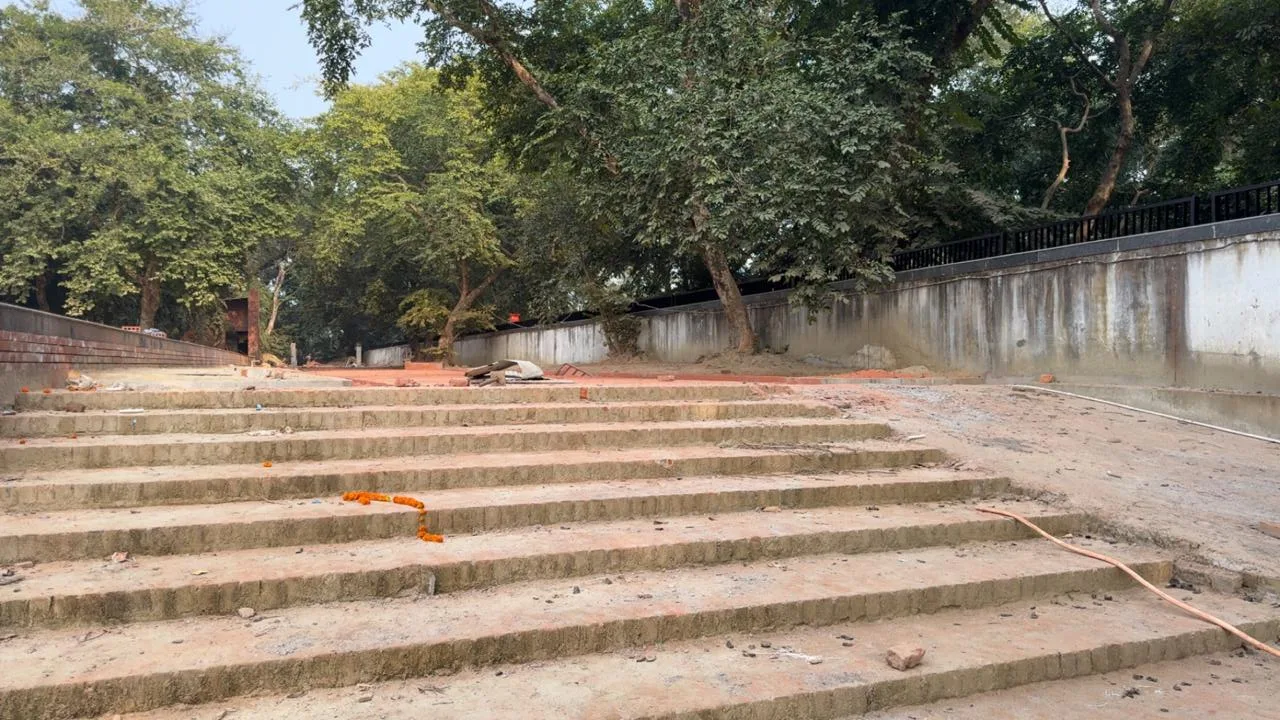
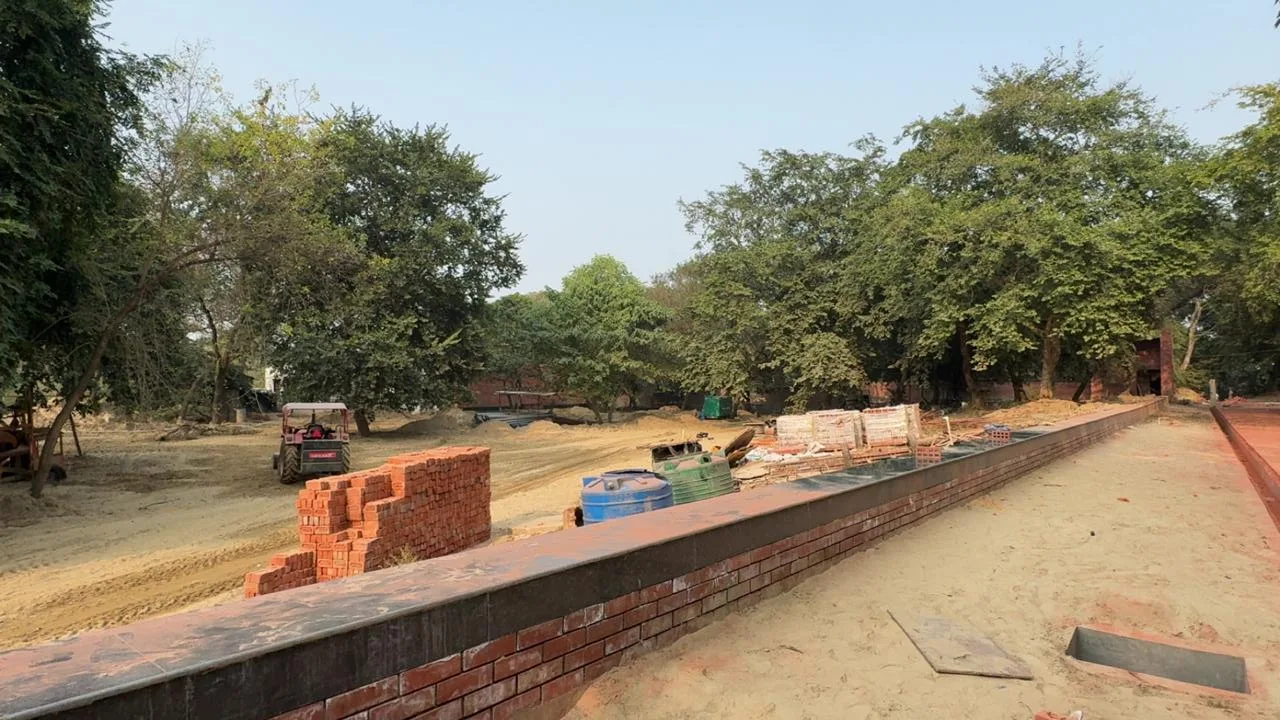
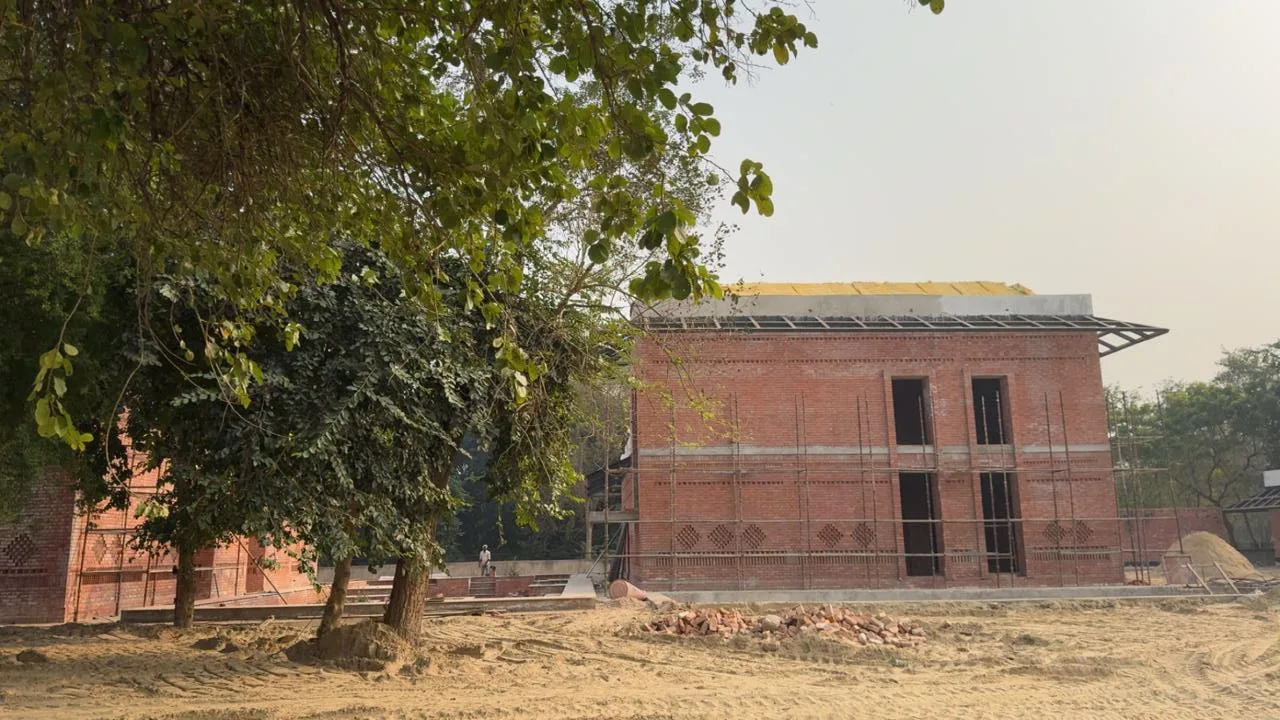
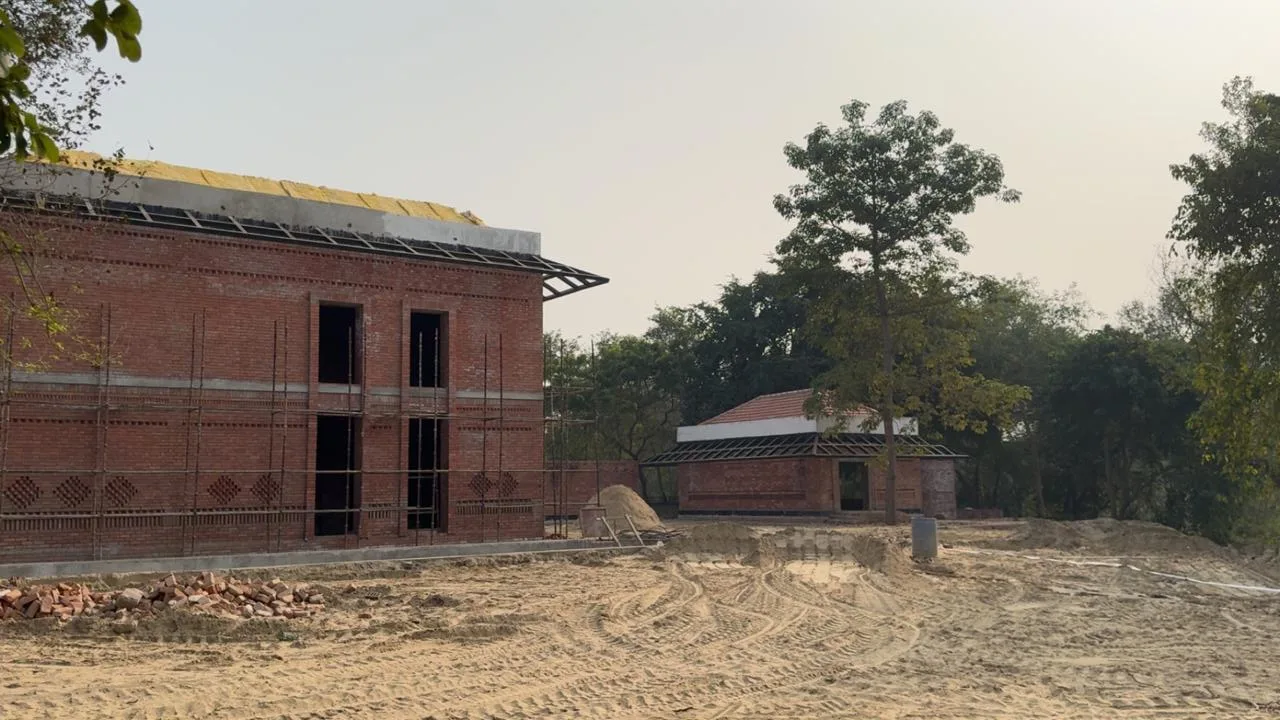
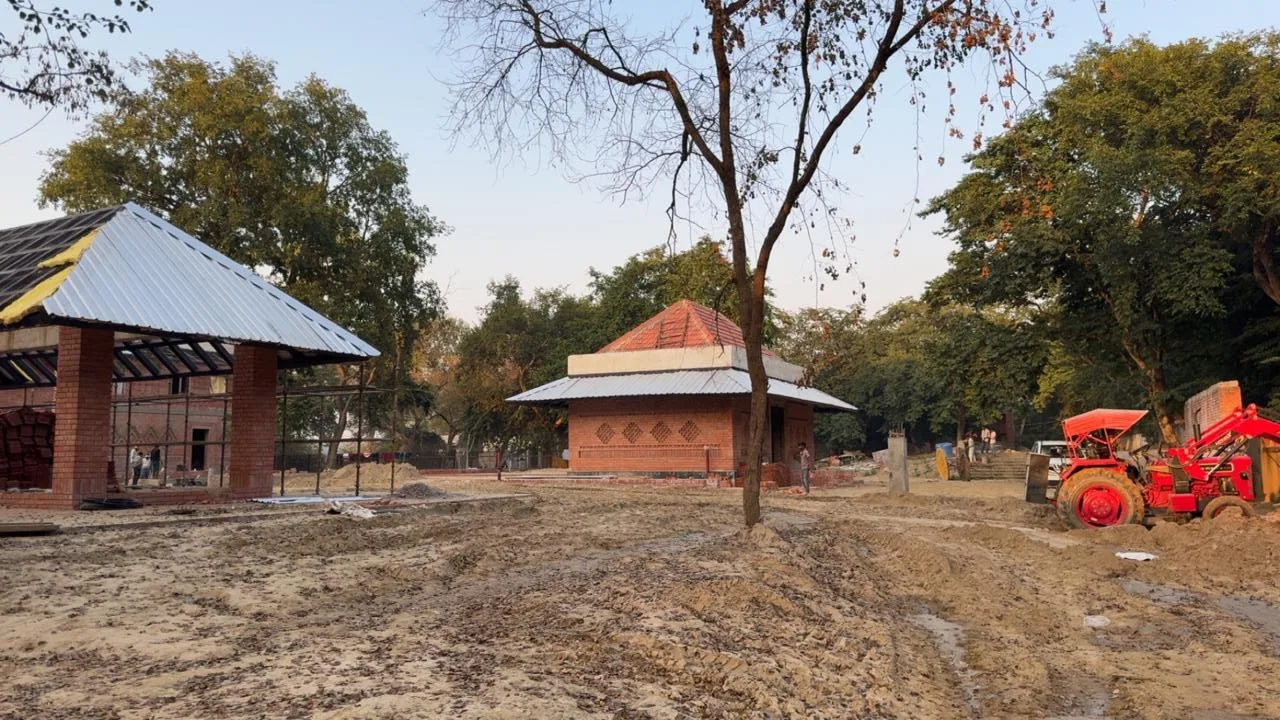
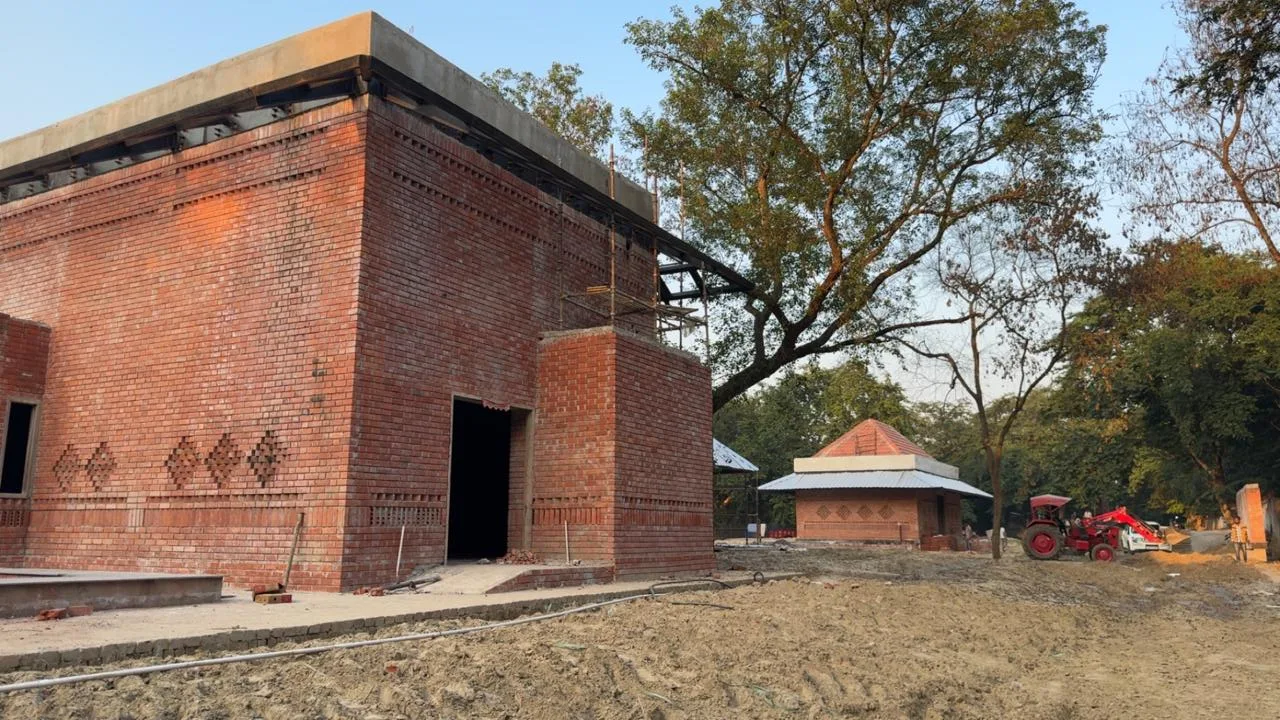
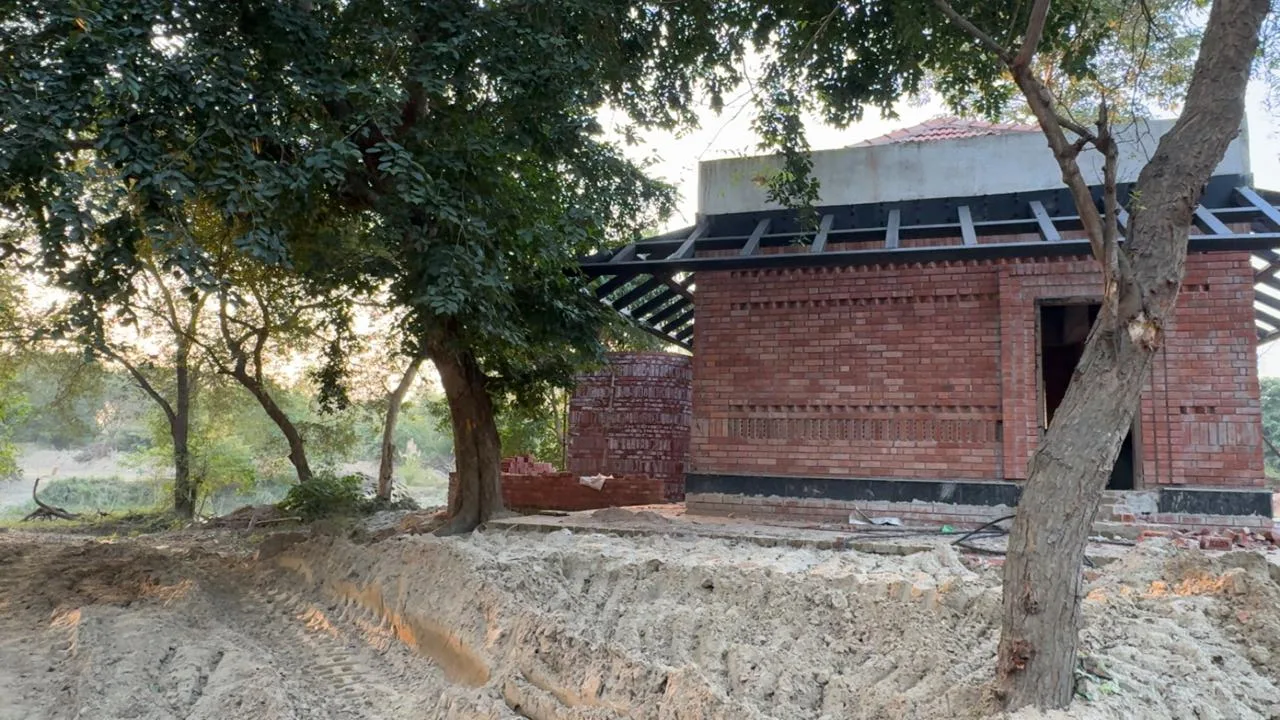
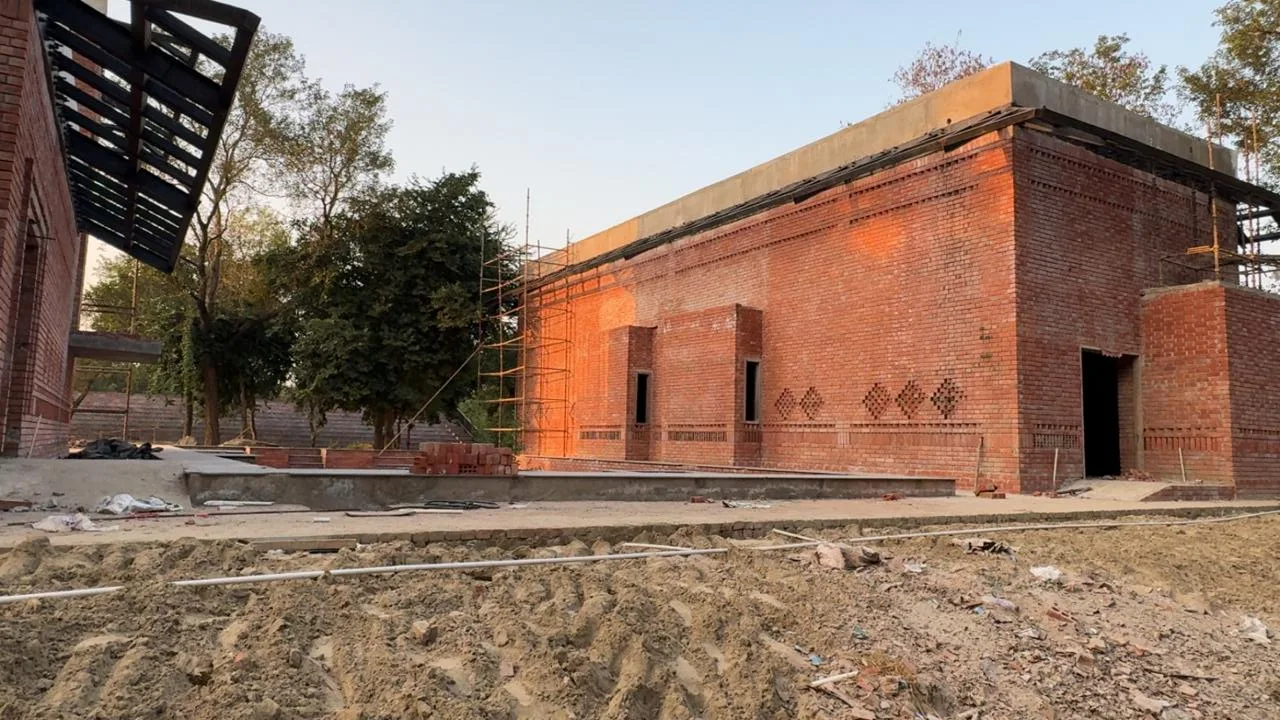
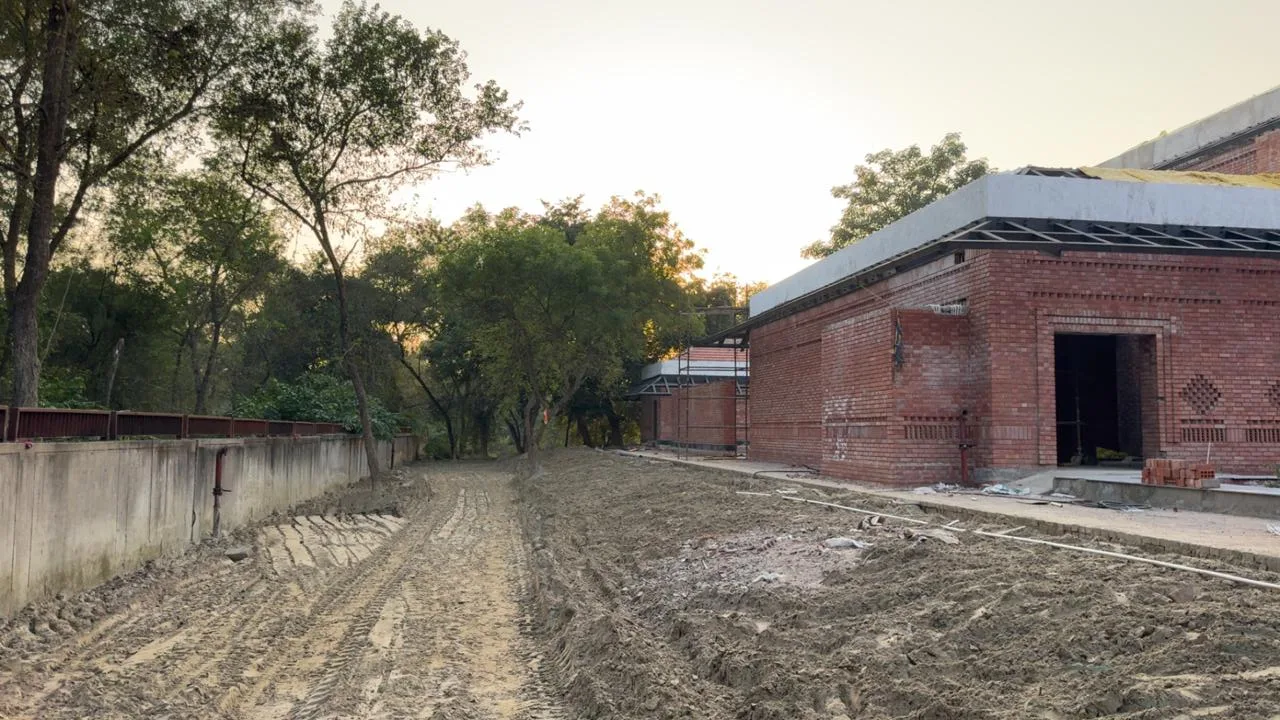
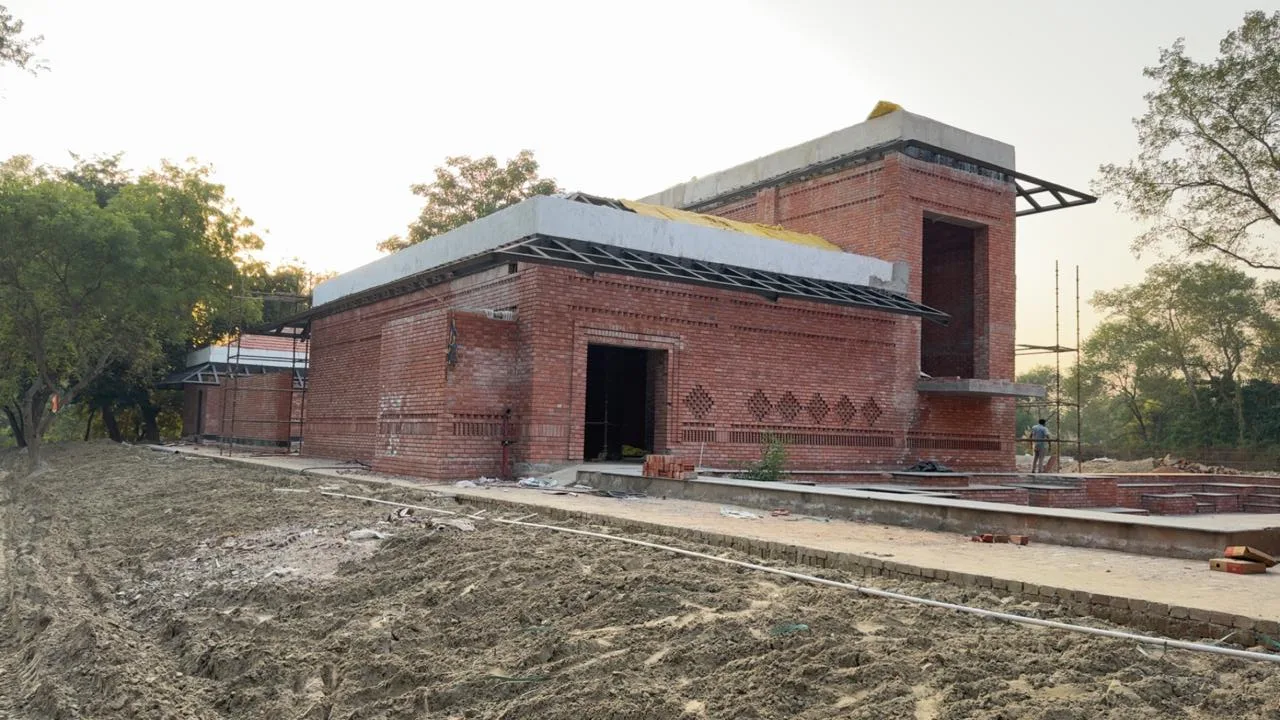
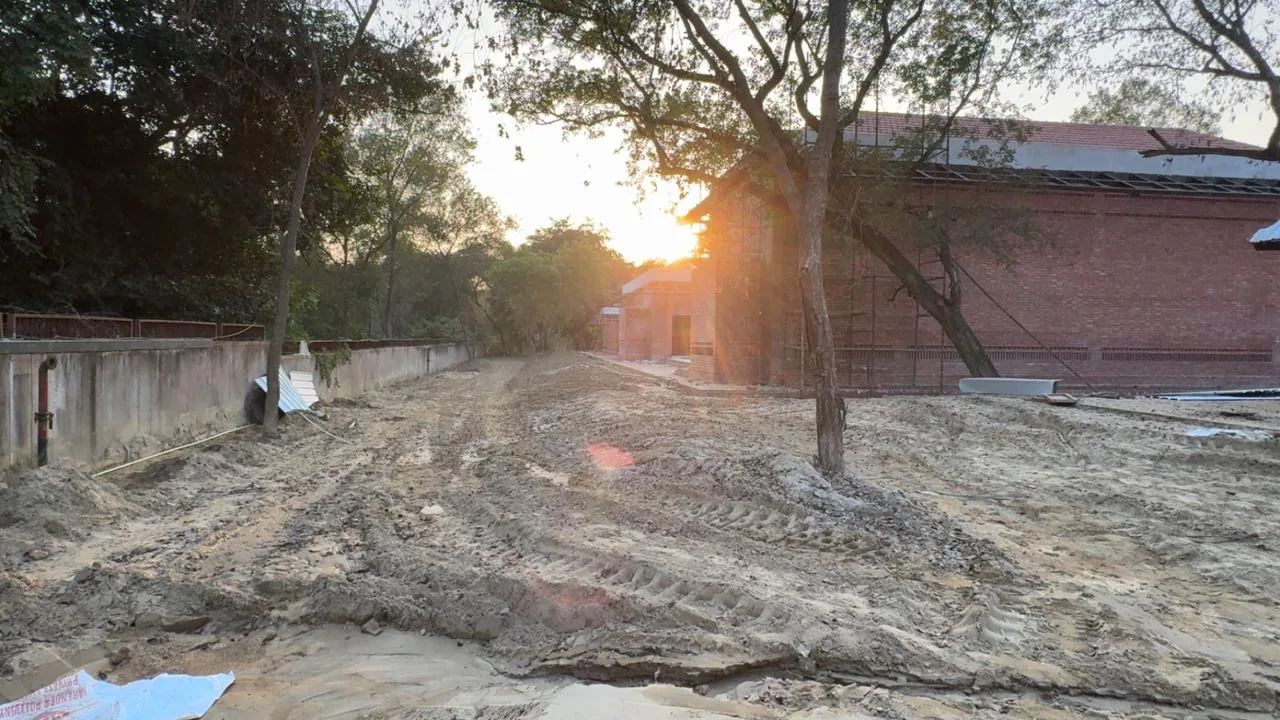
The Tribal Museum project began with an empty site no existing structures, no architectural remnants, only soil and landscape. The challenge was not restoration or adaptation, but creating architecture from first principles, while remaining sensitive to context, craft, and purpose
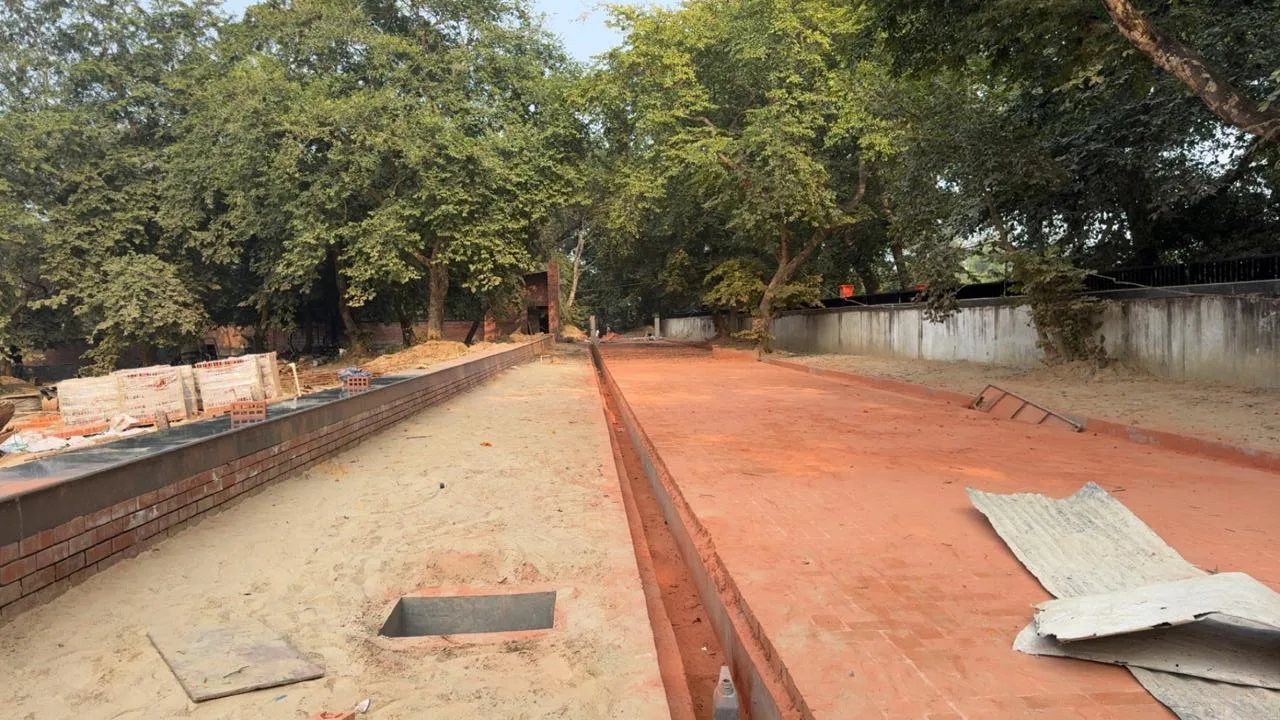
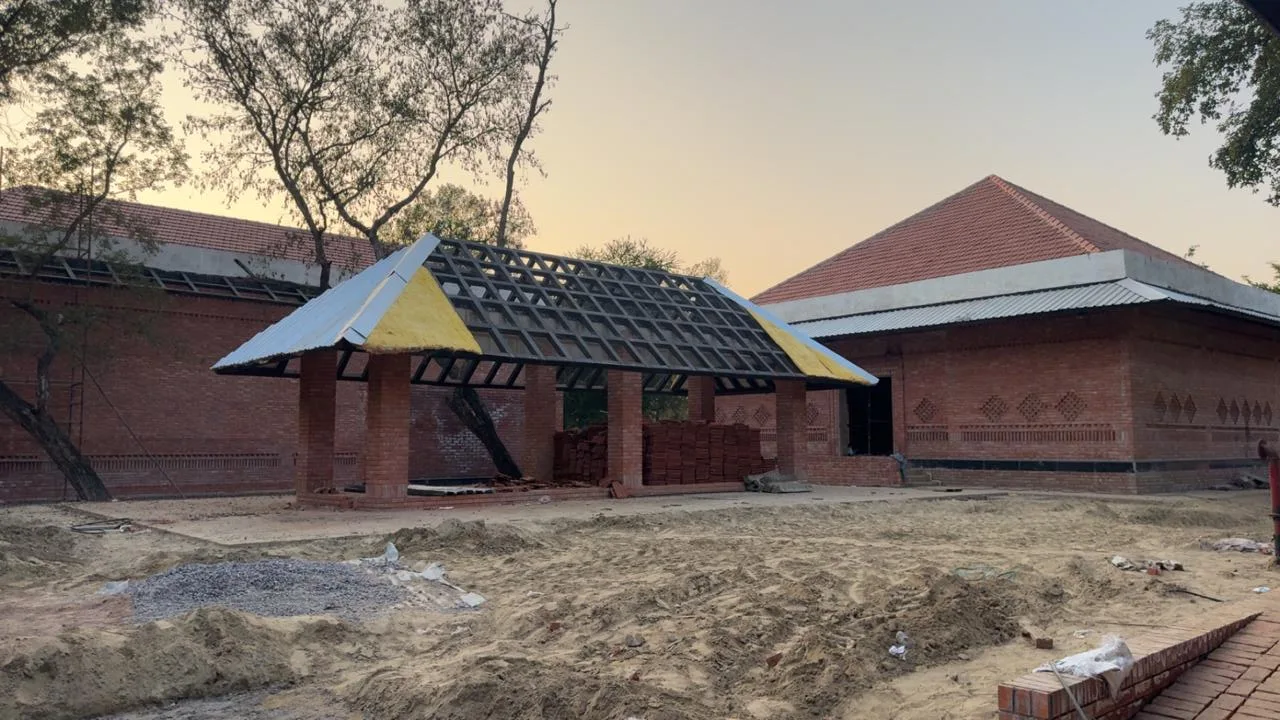
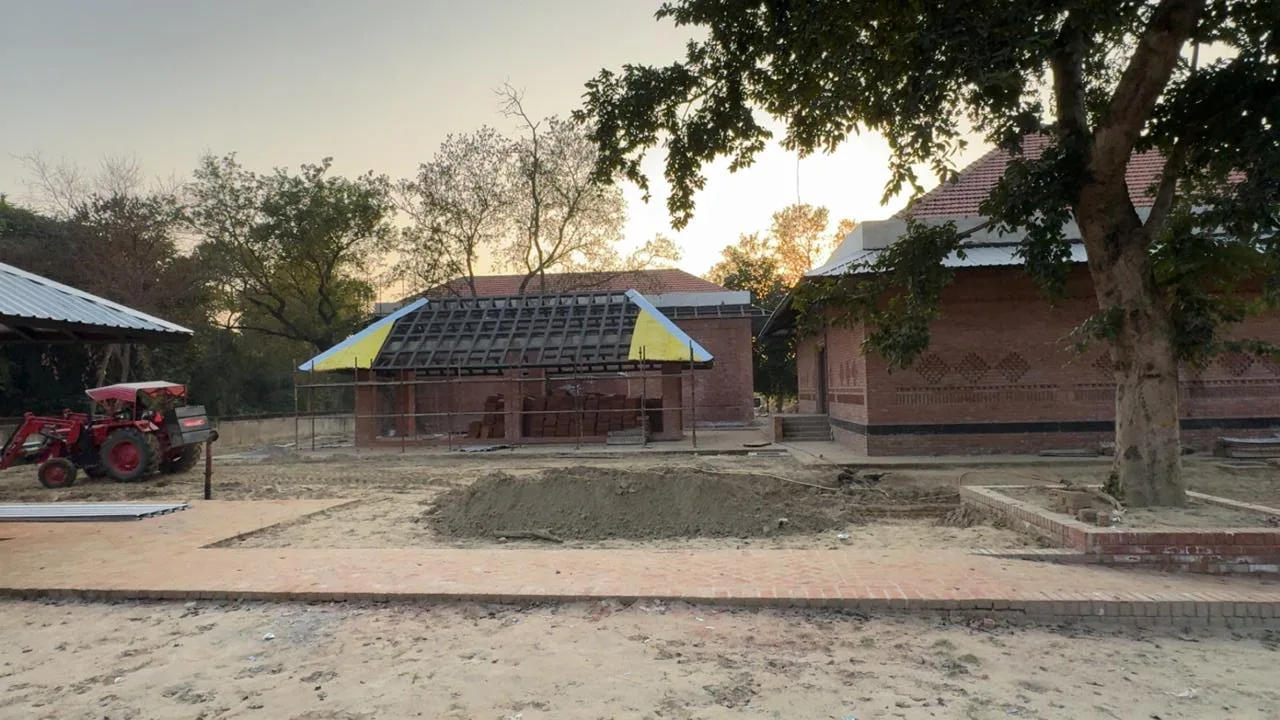
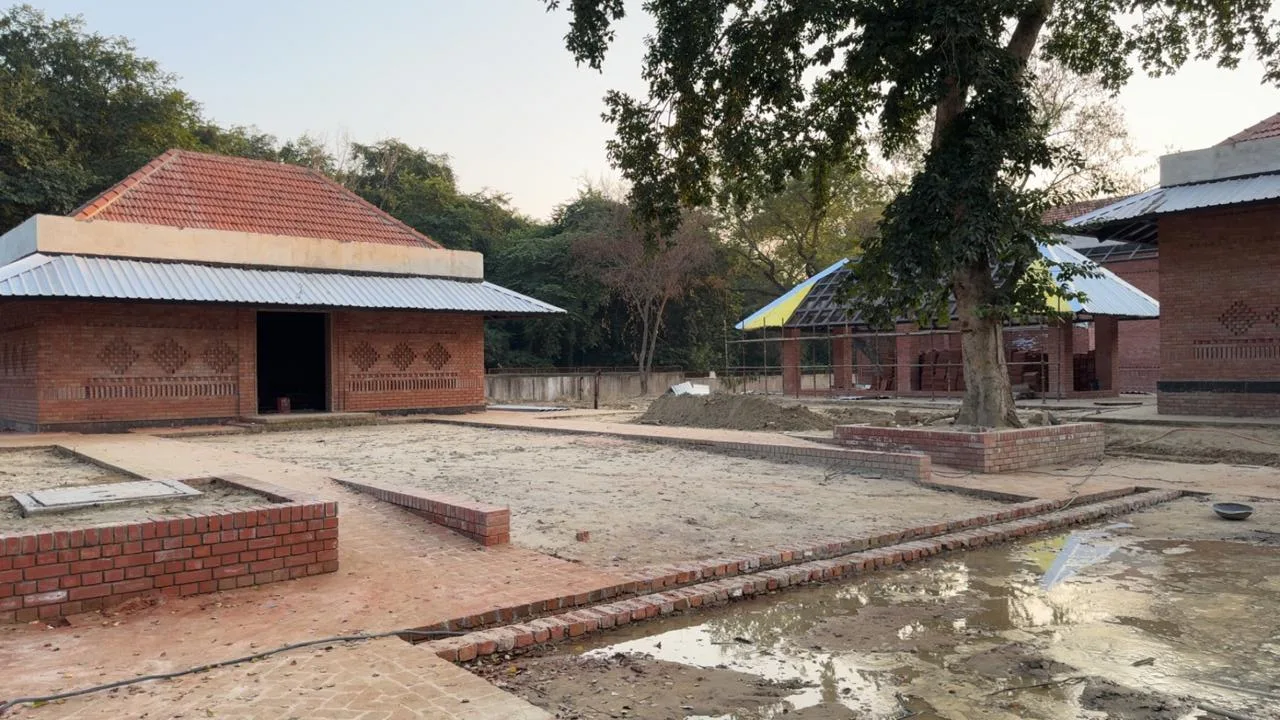
Conceived as a cultural and interpretive space, the museum was planned to sit lightly within its surroundings rather than dominate them. The layout prioritises clarity of movement, intuitive circulation, and a close relationship between built form and open spaces. Structures are arranged to create a sequence of courtyards, shaded edges, and transitional zones allowing the site to be experienced gradually.
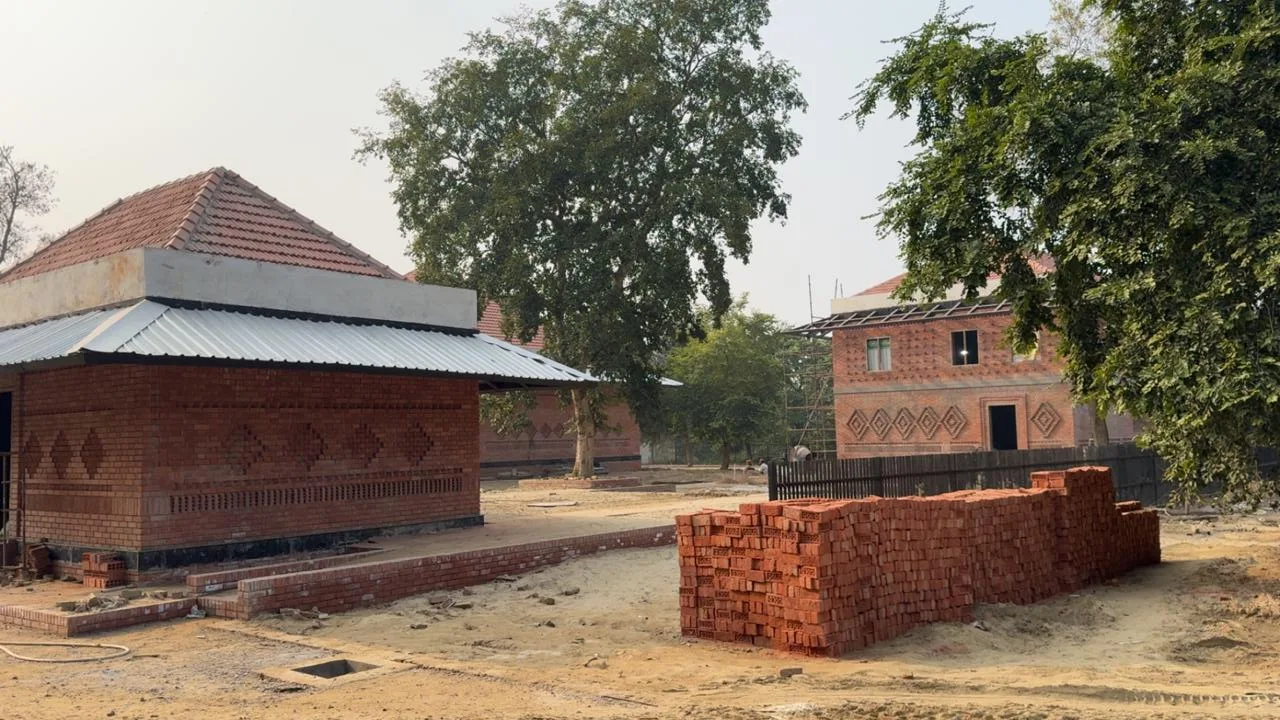
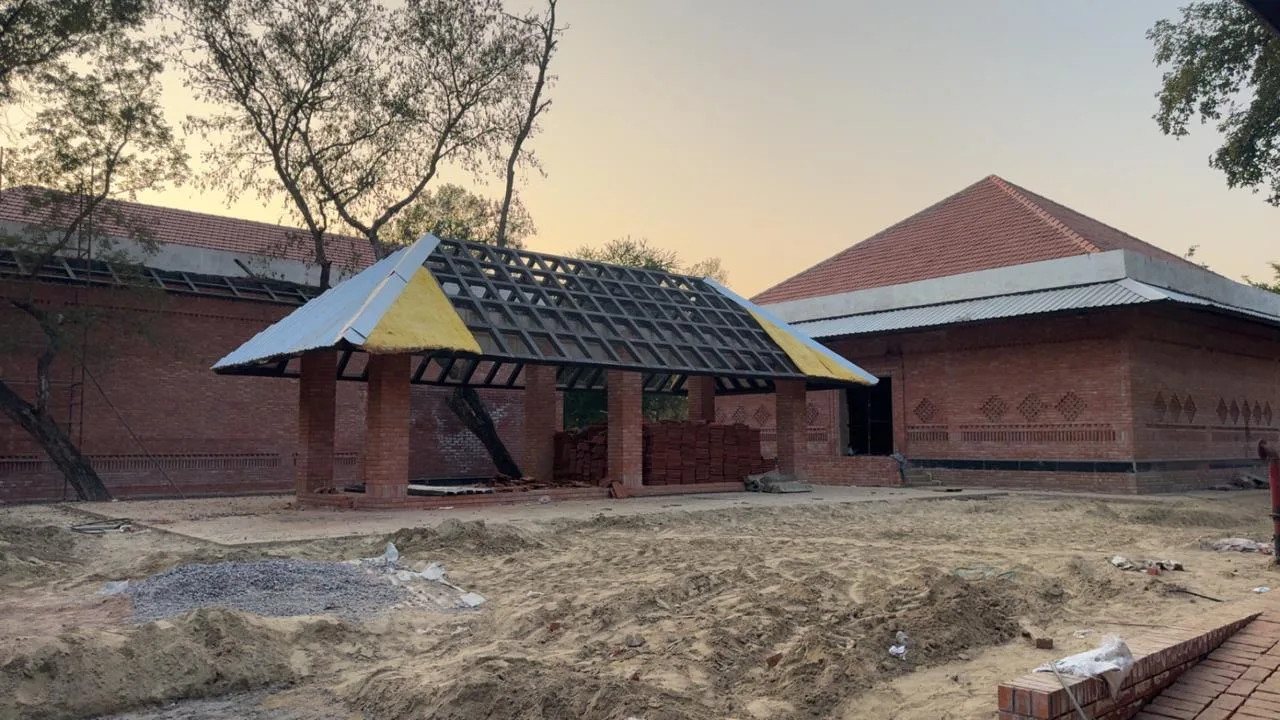
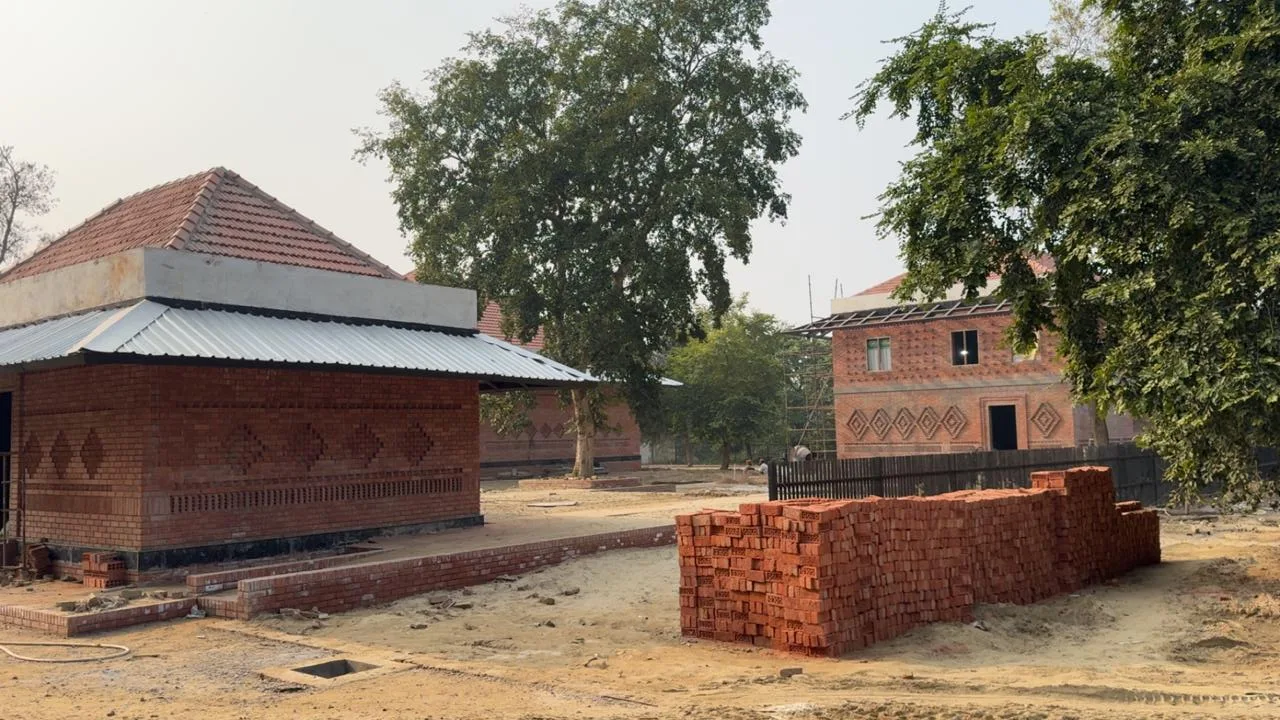
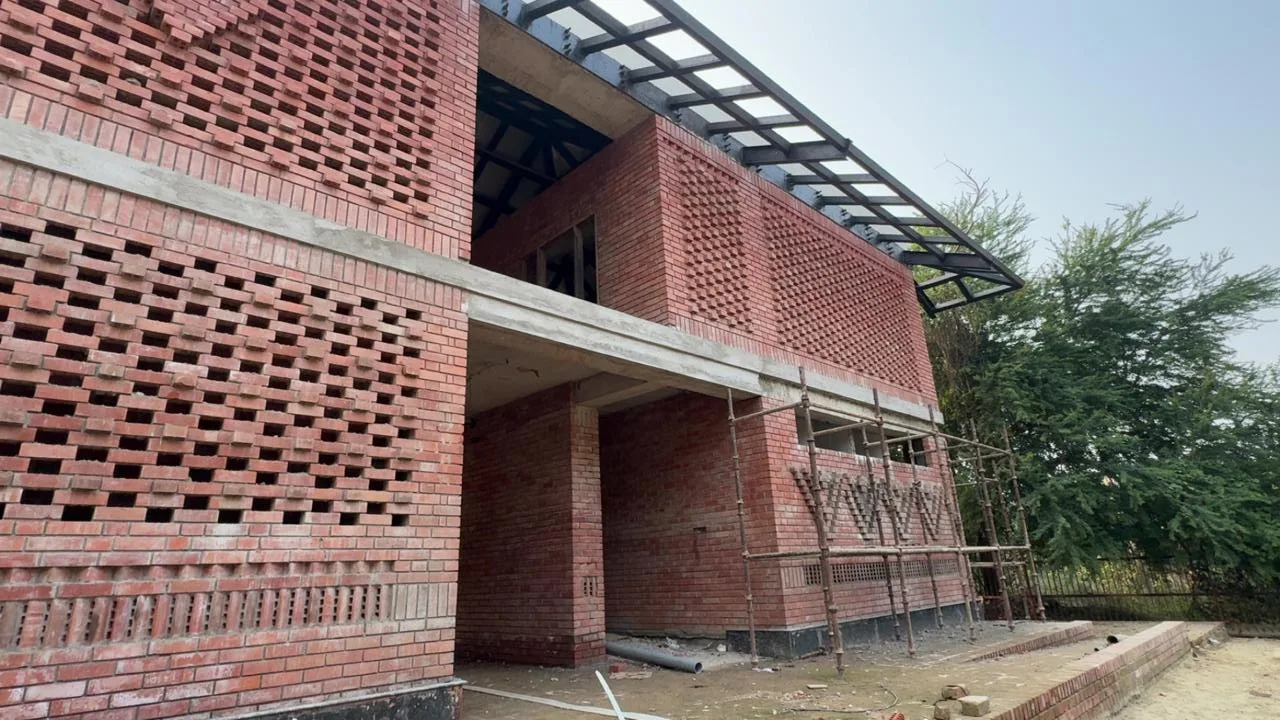
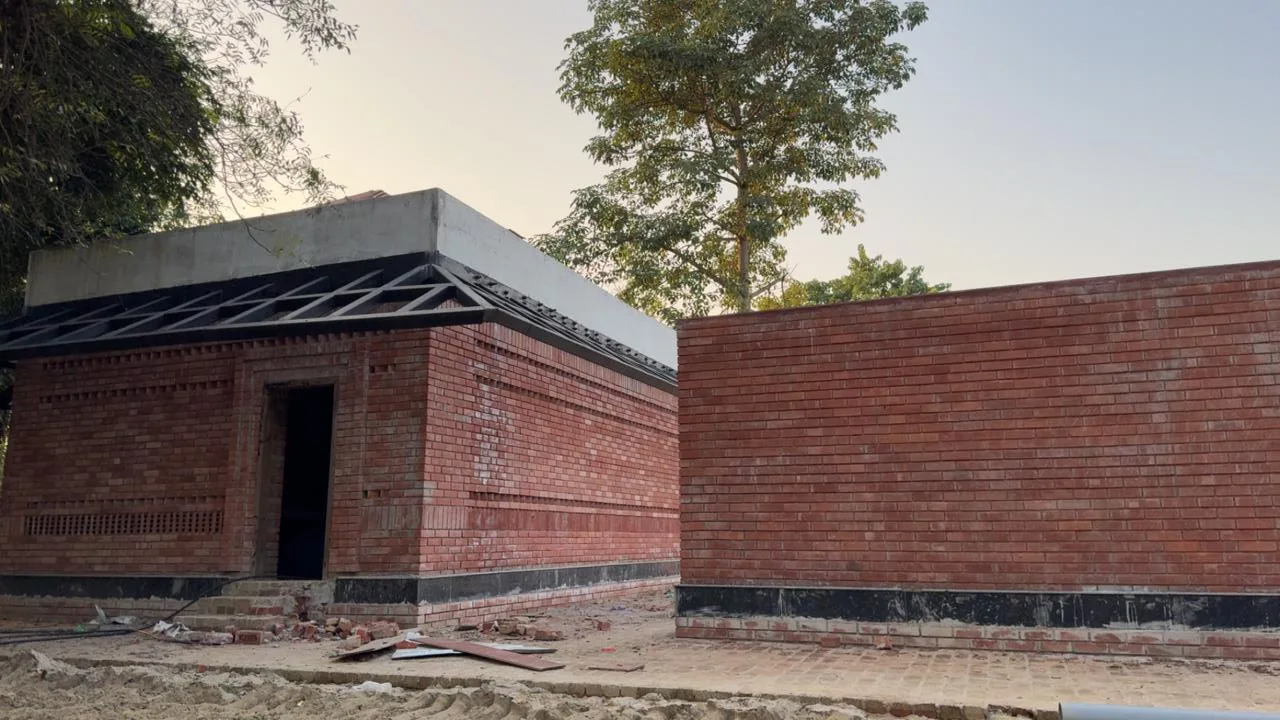
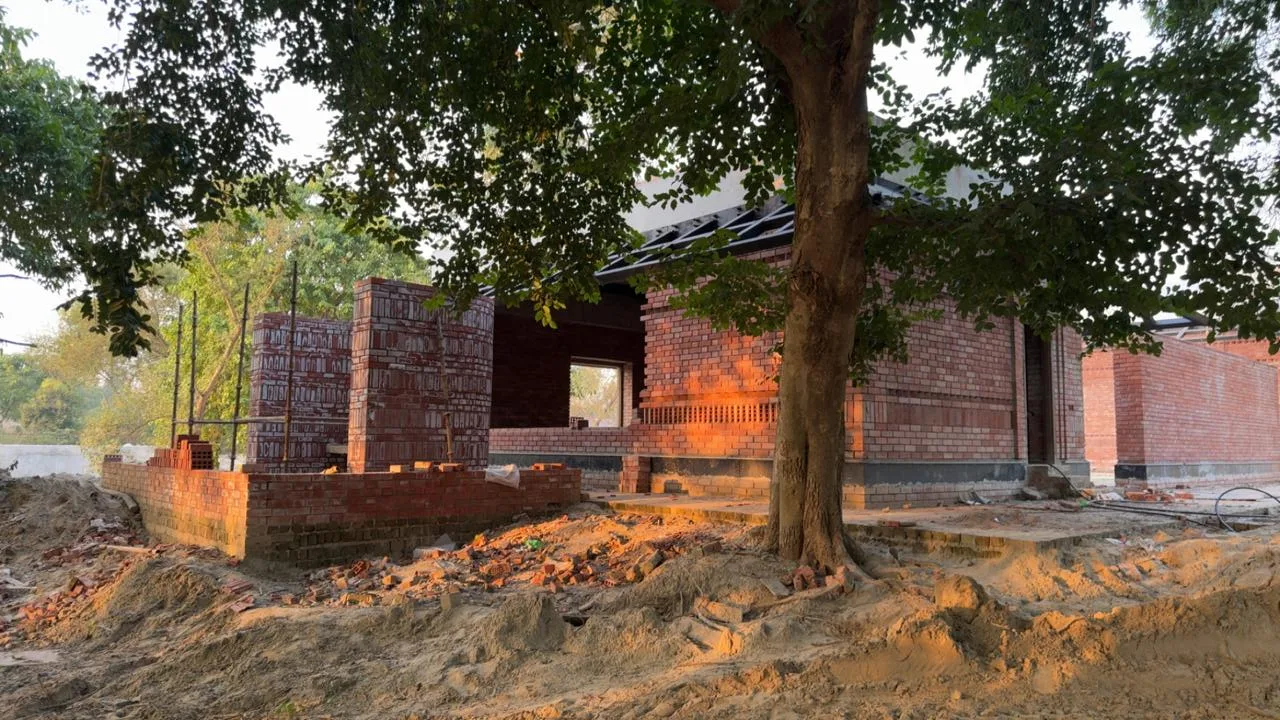
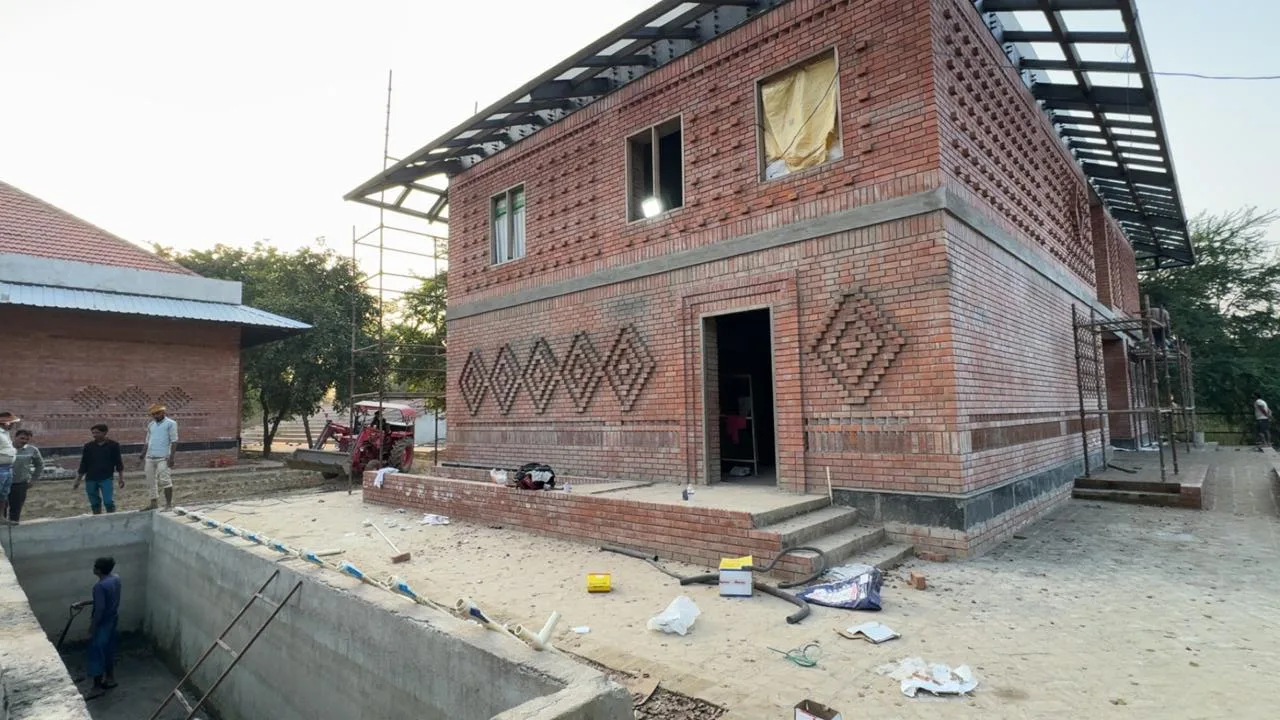
Construction was executed entirely from the ground up, beginning with site preparation, foundations, and infrastructure. Built forms were developed using honest, exposed materials and simple geometries, allowing construction logic to remain visible. Brickwork, surface articulation, and detailing were handled with restraint, avoiding ornamental excess while still referencing craft traditions through proportion and pattern.