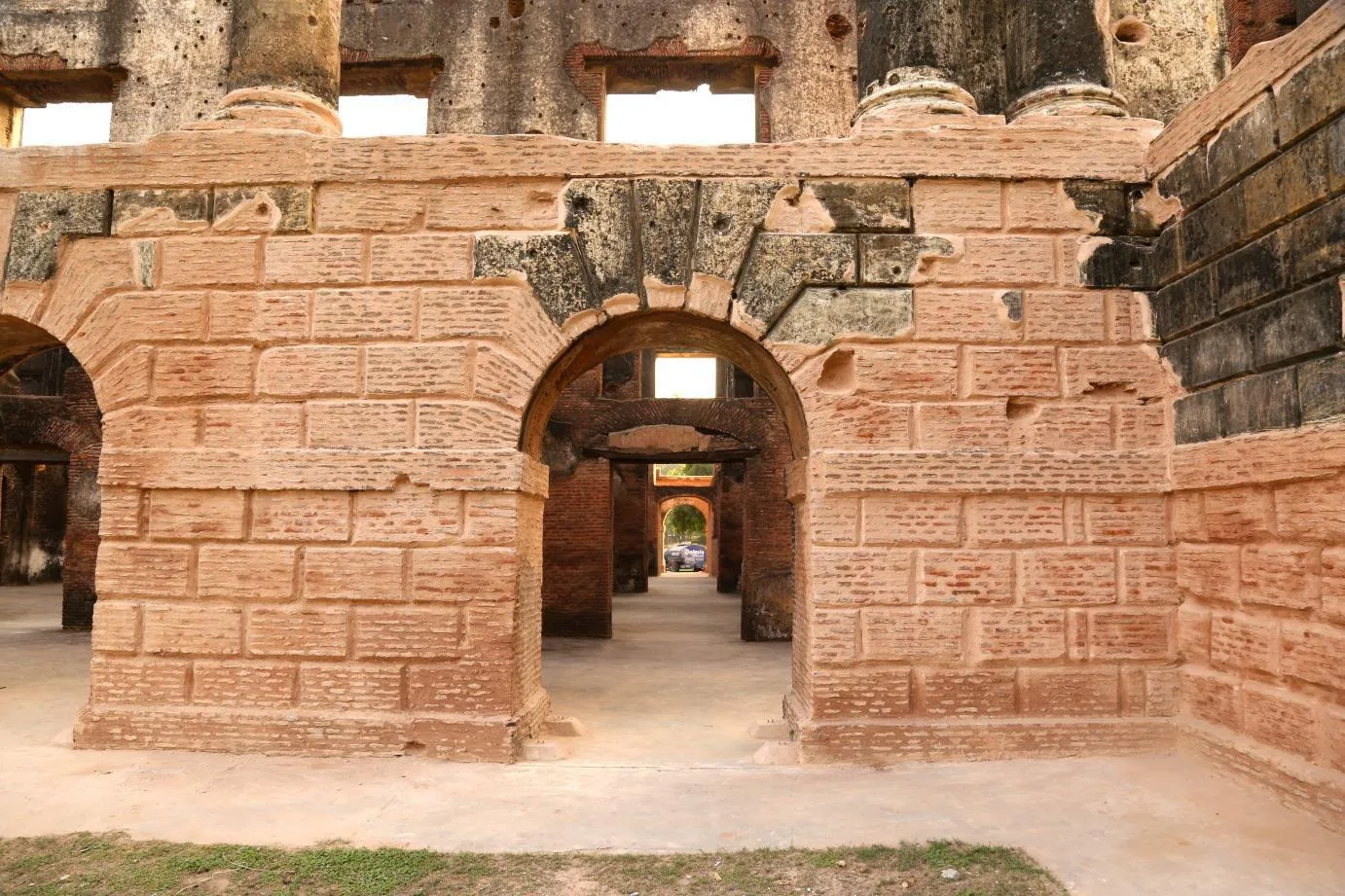
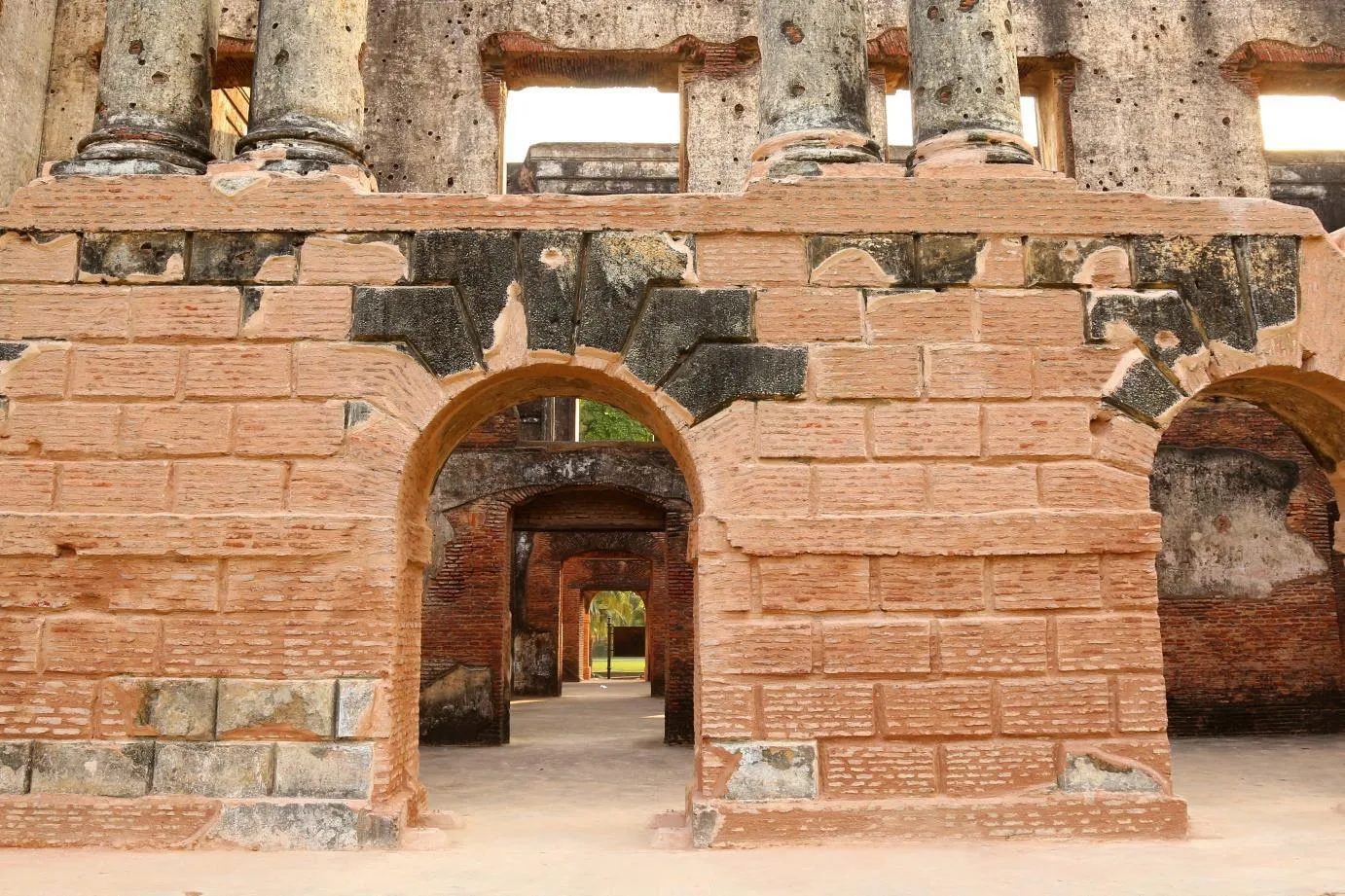
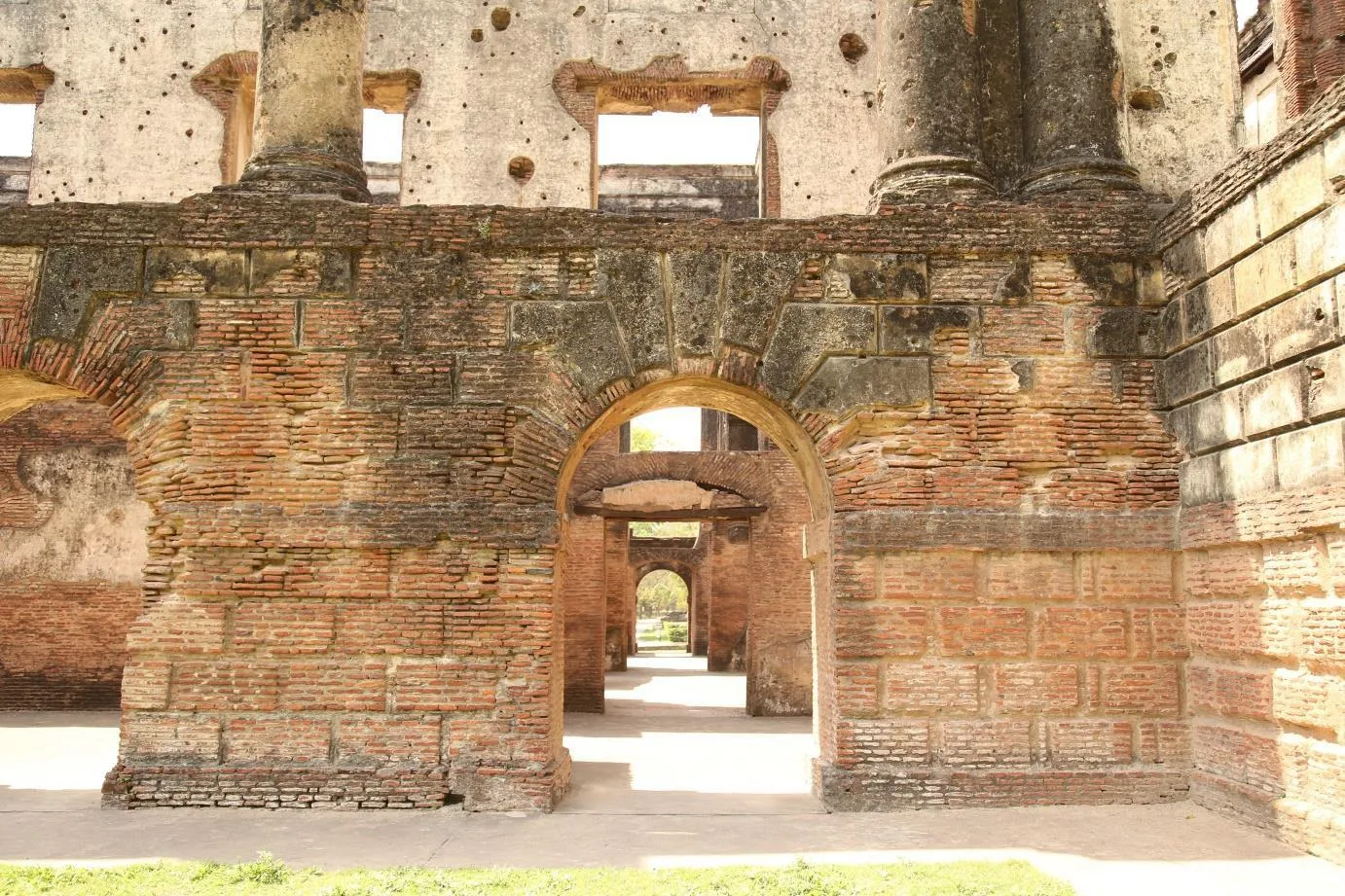
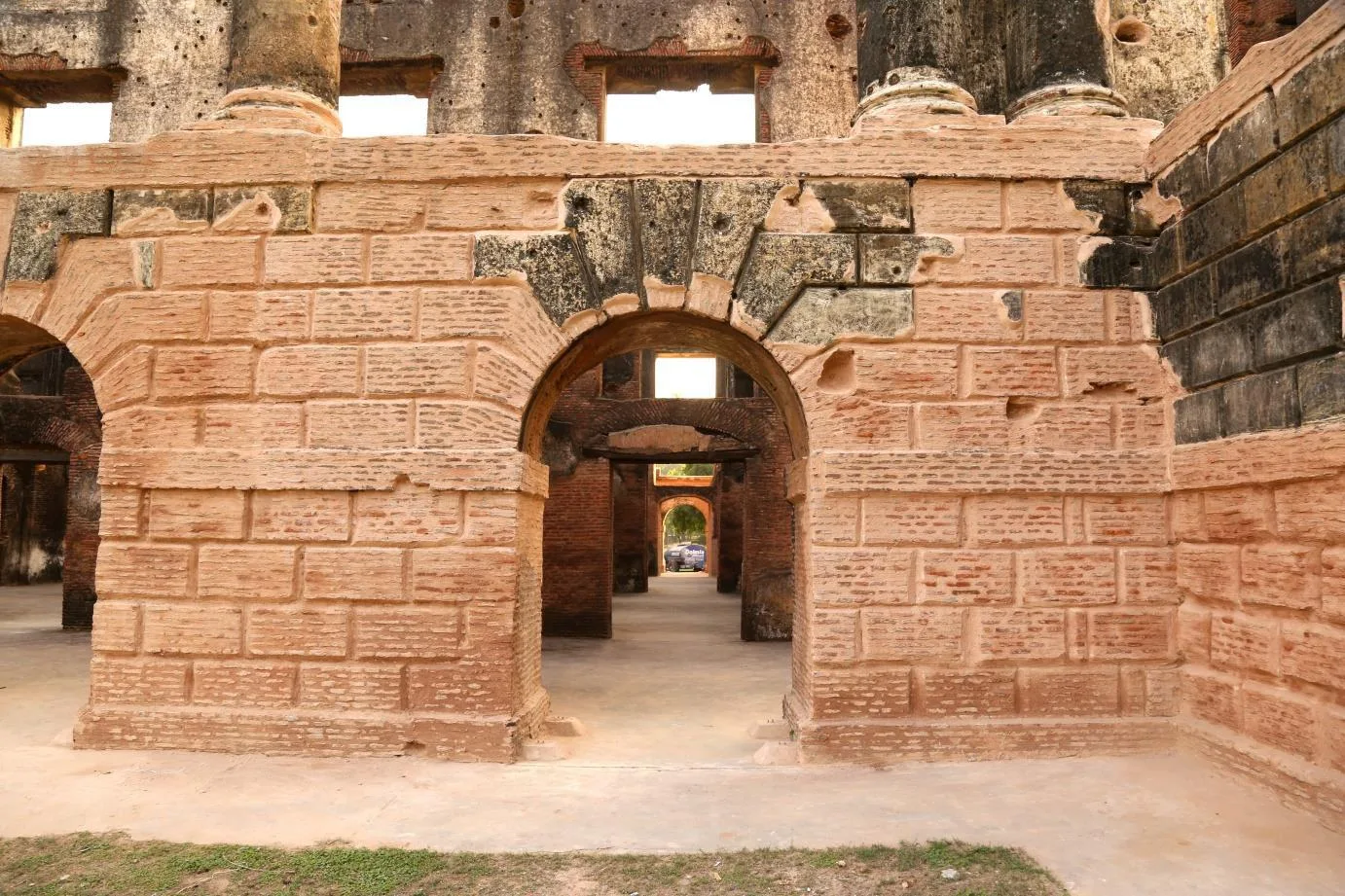
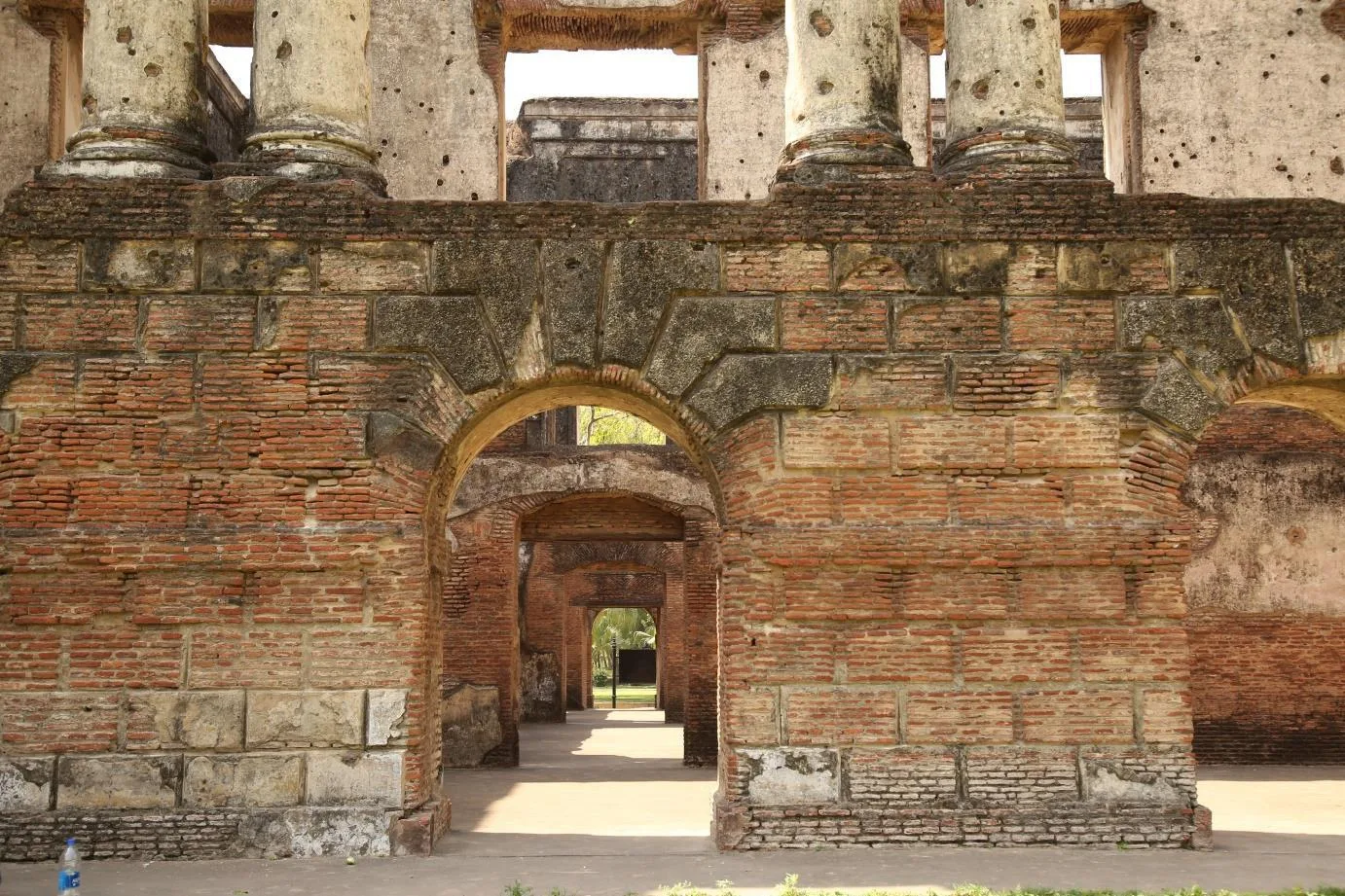
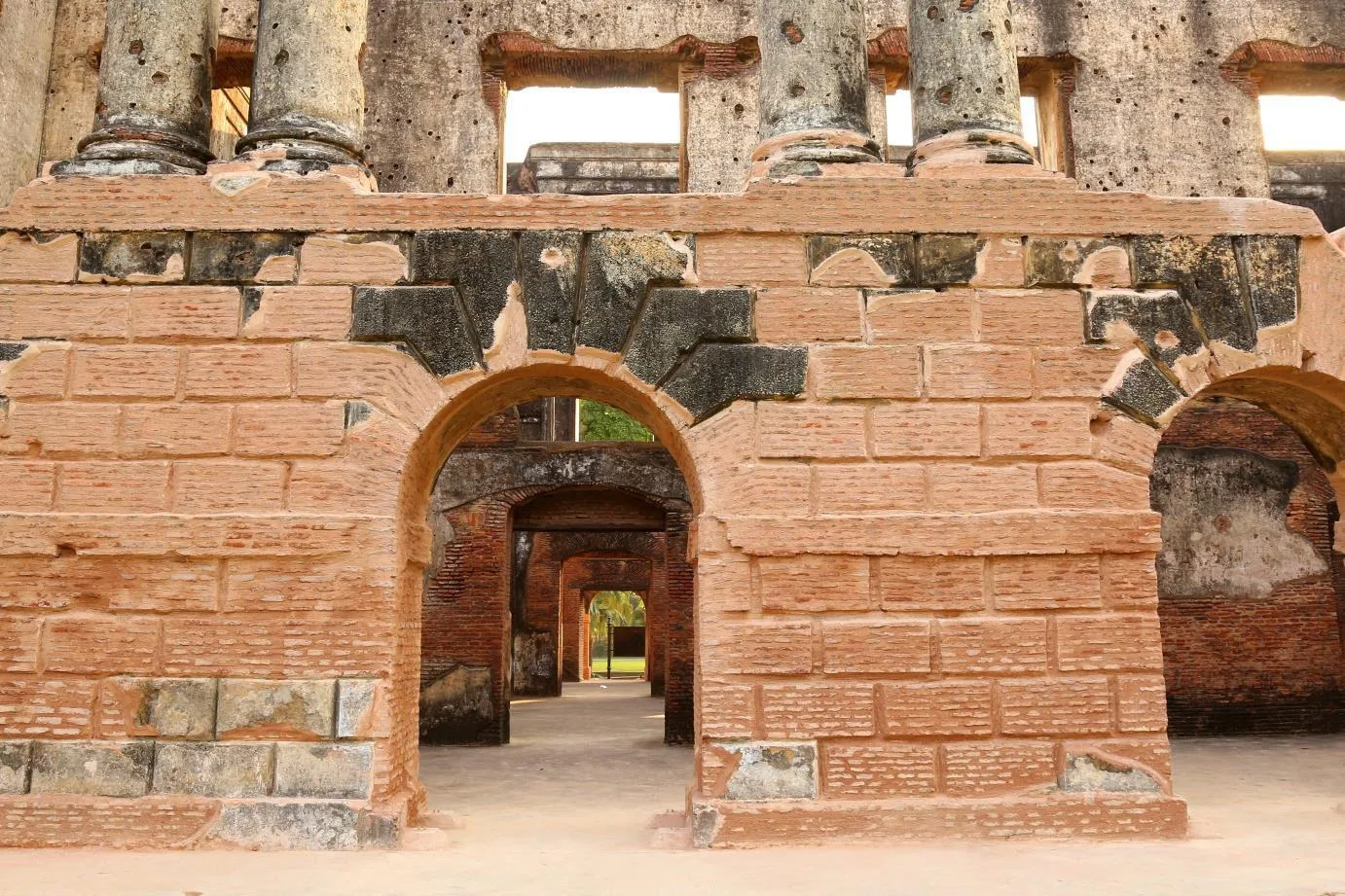
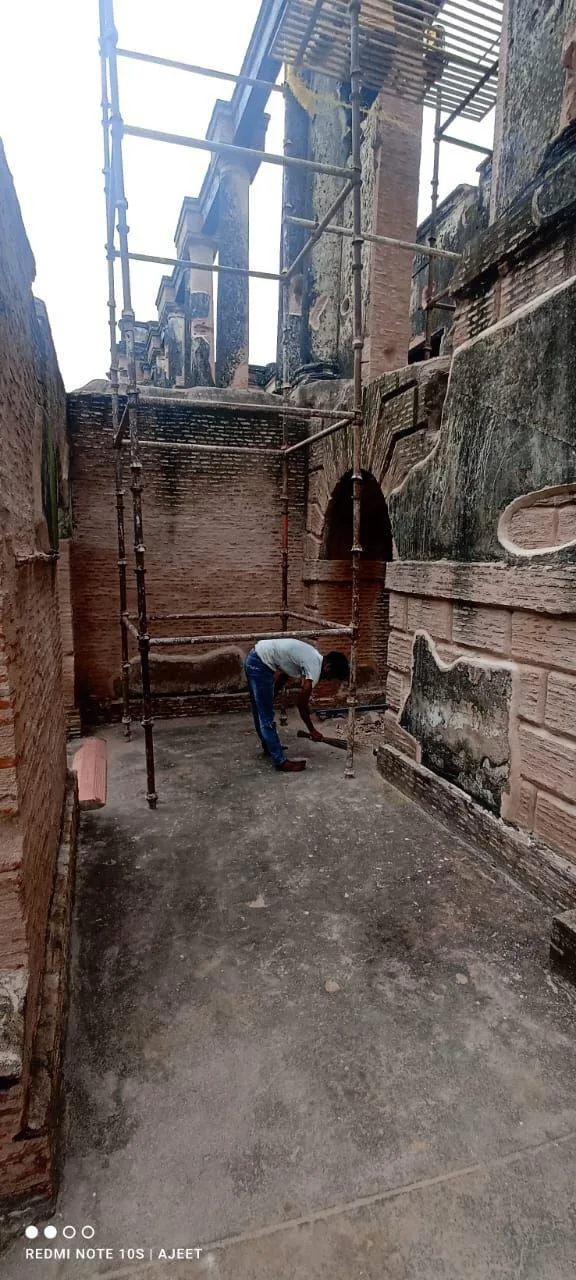
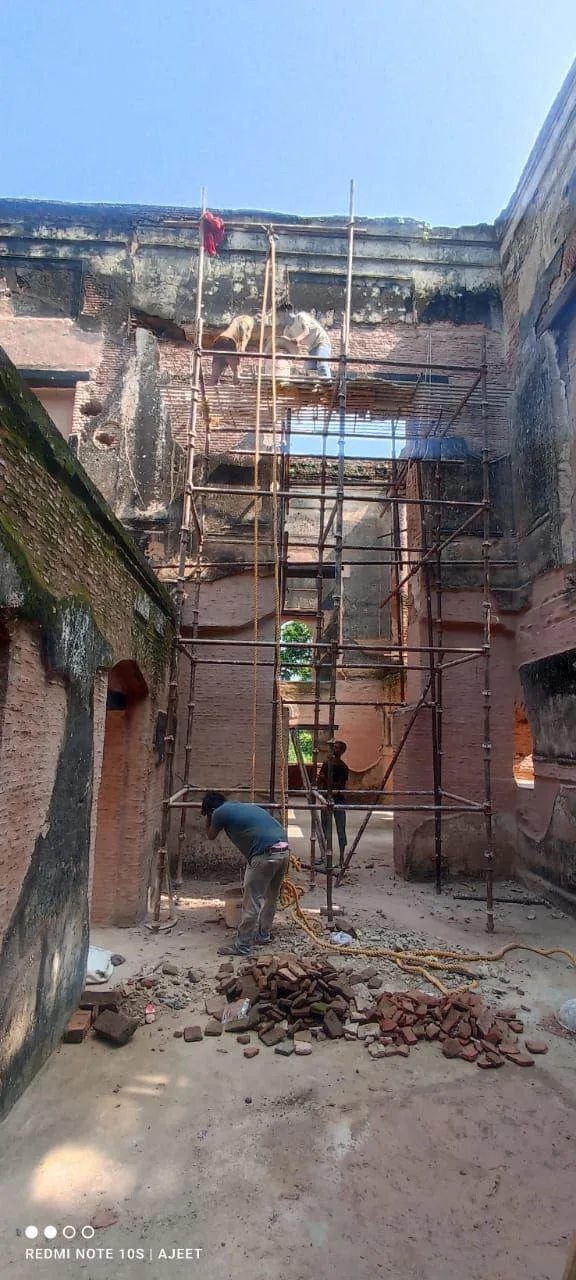
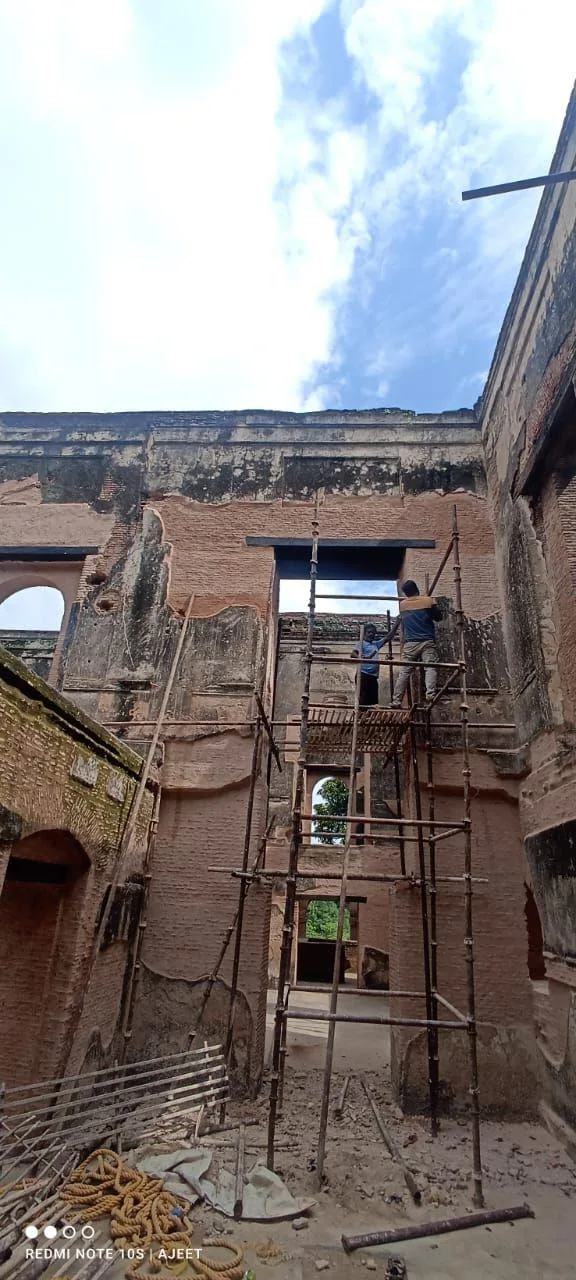
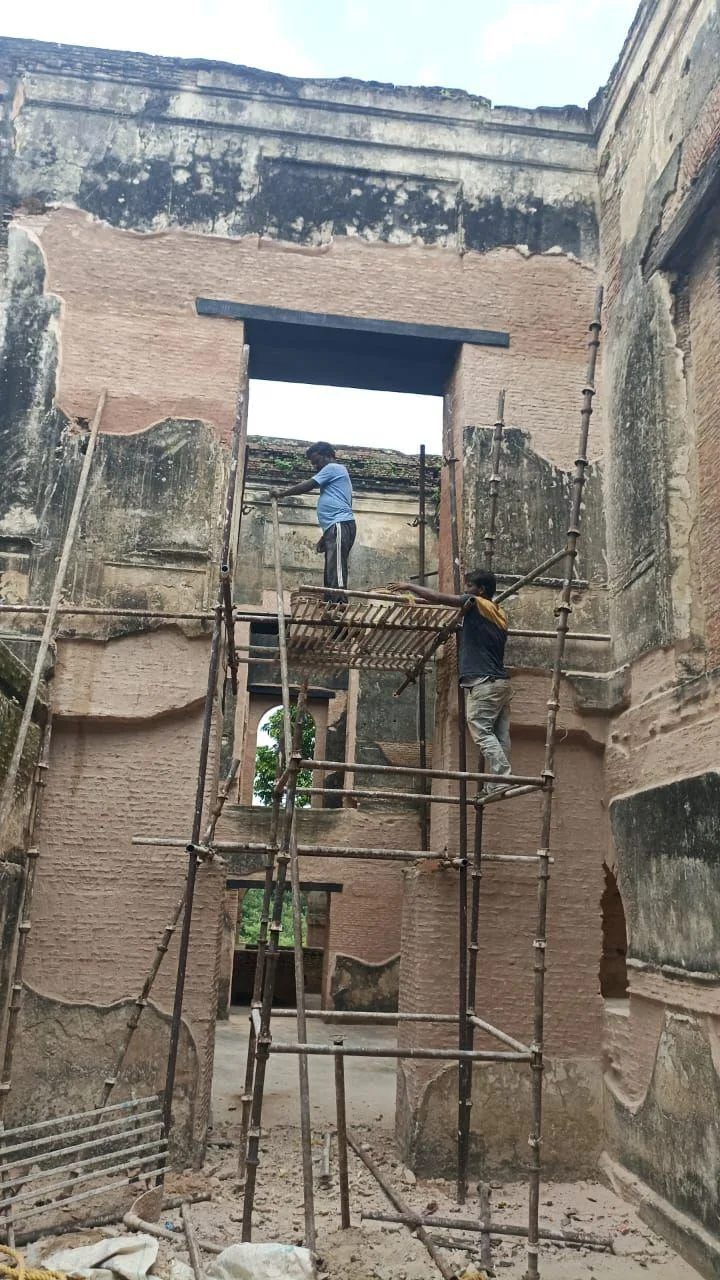
The restoration work at the Residency demanded an approach fundamentally different from conventional conservation. The objective was not visual renewal, but structural safeguarding without erasure. Deteriorated masonry, eroded joints, and weakened arches required stabilisation, while ensuring that the building’s distressed character remained legible.
Interventions focused on consolidating brickwork, strengthening arches, and reinstating material continuity where loss threatened structural integrity. Replacement was restrained, repair was prioritised, and new work was carefully integrated so as not to overpower the original fabric. The emphasis remained on preserving authenticity through restraint, allowing the building to remain a ruin by intent not by decay.
Today, the Residency continues to function as a place of reflection rather than spectacle. The restored surfaces do not attempt to disguise history; they support it. What remains is an architectural landscape that communicates memory through material, silence through space, and continuity through careful conservation.